What Is the Best Salt: Top 10 Types Ranked
Finding the perfect salt can be overwhelming with so many options out there. Many people struggle to choose the right type for their cooking or health needs. You’re not alone—navigating the world of salts can feel confusing at first.
If you’re looking for the best salt types, consider finishing salts like fleur de sel and sea salts for flavor and texture. Himalayan pink salt adds health benefits and a striking color.
Kosher salt offers great control during cooking, while fine table salt is perfect for baking.
Each salt has its strengths, depending on your needs. Curious about how these salts compare and which fits your style? Keep exploring for more detailed tips and insights.
Key Takeaways
The best salt really depends on what you’re using it for—whether it’s finishing a dish, seasoning during cooking, or baking.
For baking, fine salts like table salt work best because they dissolve quickly and evenly. Coarse salts, on the other hand, are great for seasoning and garnishing because they add texture and visual appeal.
Specialty salts such as fleur de sel and Himalayan pink salt offer unique flavors that can really enhance a finished dish. Their distinctive tastes make them perfect for finishing touches.
When choosing salt, consider factors like purity, mineral content, and texture. These aspects influence not just the flavor but also how suitable the salt is for different culinary uses.
Proper storage is key to keeping your salt fresh. Store it in an airtight container to prevent clumping and contamination, and it will stay flavorful and of high quality.
What Makes a Salt Great for Cooking and Flavor?
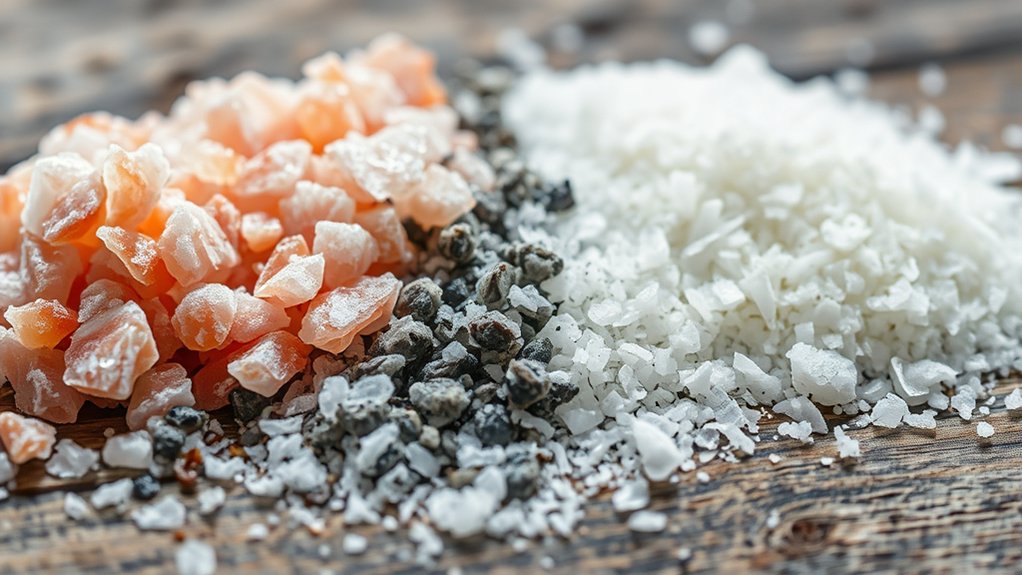
A great cooking salt boosts flavor without taking over the dish. It should enhance ingredients by balancing sweetness, acidity, and bitterness. When you pick the right salt, it brings out natural flavors and adds depth to your food.
Good cooking salt has a clean, pure taste that doesn’t introduce off-notes. It should dissolve easily and evenly, so your seasoning stays consistent throughout. Texture also matters: a fine grain blends seamlessly, while a coarser salt gives a satisfying crunch.
Quality salts are free from impurities and contaminants, making them safer and more flavorful. The best cooking salts are versatile—they work for seasoning during cooking and as a finishing touch. Ultimately, a great salt complements your ingredients and highlights their best qualities without overpowering them.
Different Types of Salt and How to Use Them in the Kitchen
With so many types of salt available, choosing the right one can really improve your cooking and make your dishes shine. Different salts are suited for specific purposes, from seasoning to finishing touches.
For example, table salt is great for everyday seasoning, while flaky sea salt adds texture and flavor as a final touch. Here’s a quick guide to help you pick the right salt:
| Salt Type | Best Use | Texture |
|---|---|---|
| Table Salt | Baking and seasoning | Fine granules |
| Kosher Salt | Brining and seasoning meat | Coarse, flaky |
| Sea Salt | Finishing and salads | Varied, flaky |
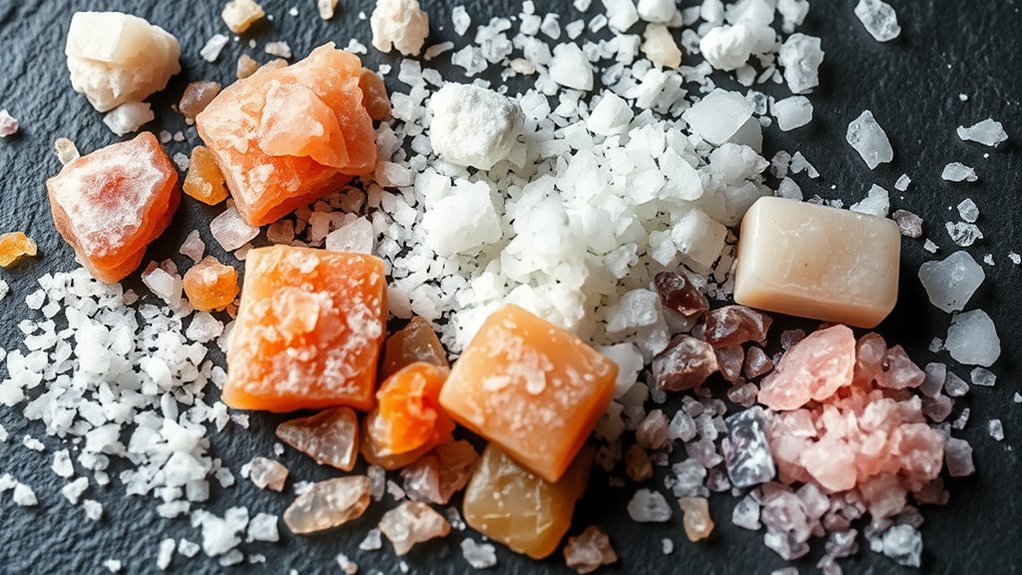
| Himalayan Pink | Garnishing and mineral boost | Coarse, pink flakes |
| Fleur de Sel | Elegant finishing touches | Light, flaky |
Choosing the right salt helps you cook with more precision and enhances the flavor of every dish.
Best Sea Salt Types for Cooking and Finishing
Sea salt varieties are prized for their rich mineral content and distinctive textures, making them great for both cooking and finishing touches. If you want to elevate your dishes, try flaky sea salts like Maldon or fleur de sel. Their light, crunchy texture adds a satisfying burst of saltiness when sprinkled on salads, roasted vegetables, or grilled meats.
Coarser salts offer a more robust flavor, perfect for seasoning during cooking or finishing a dish just before serving. Fine sea salts, like Celtic or Sel Gris, dissolve quickly, making them versatile for both cooking and table seasoning. These salts bring a clean, briny flavor with subtle mineral notes that enhance your culinary creations without overpowering them.
Choose your salt based on texture and flavor profile to get the best results in the kitchen.
Himalayan Pink Salt: Benefits and Best Uses in Cooking
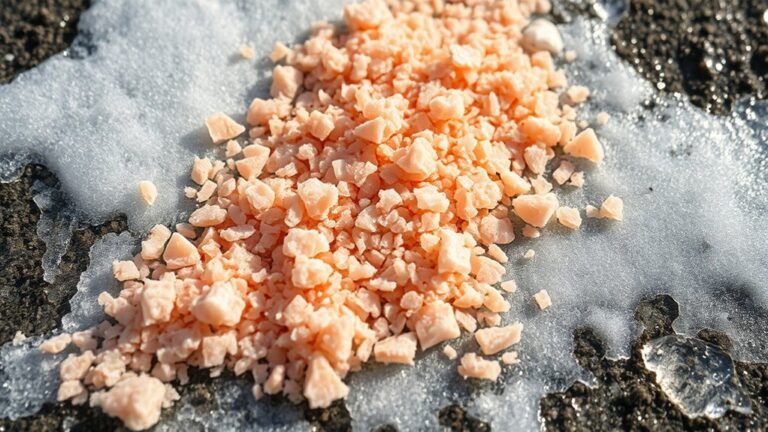
Himalayan pink salt has become popular not just for its striking color but also for its supposed health benefits and versatile uses in the kitchen. It’s thought to contain trace minerals that can support your overall well-being.
You can use it as a finishing salt to enhance flavor and presentation or in cooking to add a subtle mineral note. Its coarse texture makes it perfect for grinding over dishes or seasoning steaks.
Here’s a quick comparison:
| Feature | Benefit |
|---|---|
| Mineral Content | Adds trace minerals to your diet |
| Texture | Great for grinding and finishing |
| Flavor Profile | Mild, slightly mineral-tasting |
This salt boosts your dishes visually and flavor-wise, making it a favorite for health-conscious cooks and food lovers alike.
Table Salt or Kosher Salt: Which Is Better for Your Recipes?
Have you ever wondered which type of salt works best in your recipes—table salt or kosher salt? It depends on your needs.
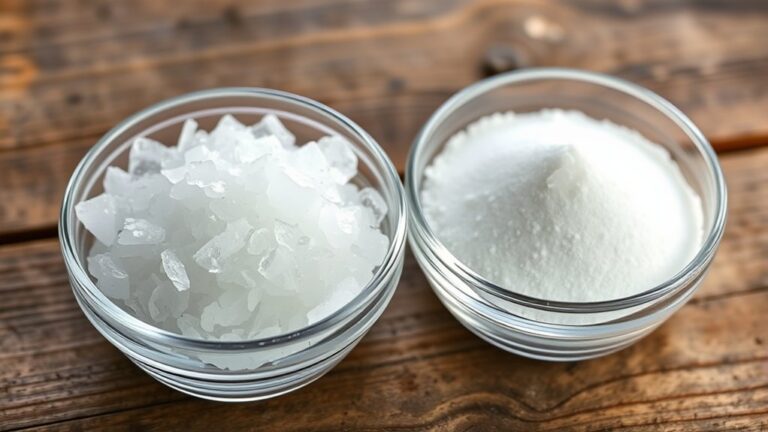
Table salt is fine, uniform, and dissolves quickly, making it ideal for baking and precise seasoning. Its fine grains allow for accurate measurements and even distribution.
Kosher salt has larger, coarser grains, perfect for seasoning meats and finishing dishes because it’s easier to pinch and control. Many chefs prefer kosher salt for its clean taste and texture.
However, because of its larger crystals, it can be harder to measure accurately in small quantities. If you’re baking, stick with table salt.
For cooking and seasoning, kosher salt often provides better texture and flavor control. Choose based on your recipe and cooking style for the best results.
Mineral-Rich Salts and Their Health Benefits
Mineral-rich salts, like sea salt and mineral salts, are appreciated not just for their flavor but also for their potential health perks. These salts contain trace minerals like magnesium, potassium, and calcium that are important for your overall health.
Unlike refined table salt, mineral-rich salts usually keep more nutrients because they go through less processing. Eating these salts may help with hydration, balance electrolytes, and support muscle and nerve functions.
Some research suggests they might reduce inflammation and aid digestion thanks to their mineral content. Still, it’s best to use them in moderation since too much salt can cause health problems.
Adding mineral-rich salts to your meals is an easy way to boost flavor and potentially increase your nutrient intake.
How to Choose the Right Salt for Baking, Grilling, and Finishing
Choosing the right salt for your cooking depends on how you plan to use it, whether in baking, grilling, or as a finishing touch.
For baking, go for fine salts like table salt or fine sea salt. They dissolve quickly and evenly, giving you consistent flavor every time.
When grilling, coarser salts such as kosher or sea salts are your best bet because they can handle high heat and add a nice crunchy texture.
For finishing dishes, try flaky salts like Maldon or other finishing salts. Their larger crystals melt slowly, adding a subtle crunch and visual appeal.
Salt Production: Environmental and Ethical Considerations
Salt production can significantly impact the environment and raise ethical concerns, especially as more people seek natural and sustainable options. Traditional methods like solar evaporation for sea salt are eco-friendly, but large-scale mining, such as rock salt extraction, can cause land degradation, habitat loss, and water pollution.
Ethical issues also come into play around labor practices. Some producers face criticism for poor working conditions or unfair wages. To make responsible choices, look for brands that are committed to sustainable sourcing and transparent supply chains.
Supporting companies that prioritize environmental preservation and ethical labor standards helps reduce negative impacts. By understanding how salt is made, you can pick options that better align with your values and promote more sustainable practices in the industry.
Debunking Common Myths About Salt and Health
Many common beliefs about salt and health are actually misconceptions that can lead to unnecessary worry or poor dietary choices. For example, many think all salt raises blood pressure uniformly, but the type and amount matter. Some believe salt causes dehydration, yet moderate intake doesn’t have this effect for most people.
| Myth | Reality |
|---|---|
| All salt is bad for you | Some salts, like Himalayan or sea salt, contain trace minerals. |
| Salt raises blood pressure | Only excessive intake impacts health considerably. |
| Salt causes dehydration | Proper hydration balances electrolyte levels naturally. |
| Low-salt diets are best | Extreme restriction may harm overall mineral intake. |
Understanding the facts helps you make smarter choices instead of following unfounded fears.
Tips for Storing and Preserving Salt Freshness
Proper storage is key to maintaining the freshness and quality of your salt. Keep it in an airtight container to prevent moisture from seeping in, which can cause clumping or spoilage.
Store the container in a cool, dry place away from direct sunlight, as heat and light can degrade its quality over time. Avoid storing salt near strong odors since it can absorb smells and lose its pure flavor.
If you’re using specialty salts like fleur de sel or Himalayan pink salt, consider keeping them separate from regular table salt to preserve their unique textures and flavors.
Regularly check for any signs of moisture or contamination. Proper storage guarantees your salt remains fresh, free-flowing, and flavorful whenever you need it.
Frequently Asked Questions
How Does Salt Impact Overall Health and Daily Recommended Intake?
Salt impacts your overall health by helping regulate fluid balance, nerve function, and muscle contractions. However, eating too much can raise blood pressure and increase your risk of heart disease.
The daily recommended intake is about 2,300 milligrams of sodium, which is roughly one teaspoon of salt. To stay healthy, it’s a good idea to watch how much salt you consume.
Try to choose lower-sodium options whenever possible and enjoy a balanced diet filled with fresh fruits and vegetables. These habits can help keep your health in check.
Are There Any Risks Associated With Consuming Himalayan Pink Salt?
Himalayan pink salt is like a double-edged sword; its beautiful hue masks potential risks. While it contains trace minerals, eating too much can raise your blood pressure or cause dehydration. It’s a lot like a slow, creeping tide.
You should enjoy it in moderation, just as you’d savor a rare gem. That way, you can avoid the hidden dangers lurking beneath its sparkling surface. Balance is your best safeguard against its possible health pitfalls.
Can Salt Types Influence the Texture of Baked Goods?
Yes, salt types can influence the texture of baked goods. For example, finer salts dissolve more quickly, creating a smoother dough or batter. Coarser salts add crunch or a subtle texture when sprinkled on top.
Different salts also affect moisture retention and how flavor is distributed. This can impact the overall mouthfeel of your baked products. Choosing the right salt for your recipe helps you achieve the desired texture.
It also improves the final baked product, making it more enjoyable. So, paying attention to the type of salt you use can make a noticeable difference in your baking.
What Are Eco-Friendly Options for Salt Production?
You can choose eco-friendly salts like Himalayan pink salt, which is mined sustainably, or sea salt harvested through solar evaporation, reducing energy use.
These options minimize environmental harm by avoiding chemical processing and excessive energy consumption. By opting for such salts, you’re supporting renewable methods and reducing your carbon footprint.
This makes your cooking not just delicious but also environmentally responsible. It’s like seasoning your life with sustainability!
How Do Mineral Contents Vary Among Different Salt Brands?
Mineral contents vary among different salt brands based on their source and processing methods. You’ll find that sea salts often contain trace minerals like magnesium, potassium, and calcium, giving them a richer flavor.
Himalayan pink salt includes minerals such as iron, which give it its distinctive color. Refined table salts usually have added iodine and lack most natural minerals.
Always check labels if you want specific mineral contents to suit your dietary needs.
Conclusion
Choosing the right salt can boost your cooking and enhance flavor, but it’s also important to clear up some common myths.
For example, Himalayan pink salt isn’t necessarily healthier than regular table salt, even though it’s trendy. Focus on what each salt type is best used for—sea salt for finishing, kosher for seasoning, and specialty salts for added flavor.
With the right knowledge, you can enjoy salt’s benefits without falling for false claims. This way, your dishes stay both delicious and informed, making salt a helpful ingredient rather than a confusing one.