What Is Canned Corned Beef Made Of?
Many people struggle to find high-quality canned corned beef that tastes great and lasts long. If you’re tired of bland or overly processed options, you’re not alone.
Understanding what goes into canned corned beef can help you make smarter choices.
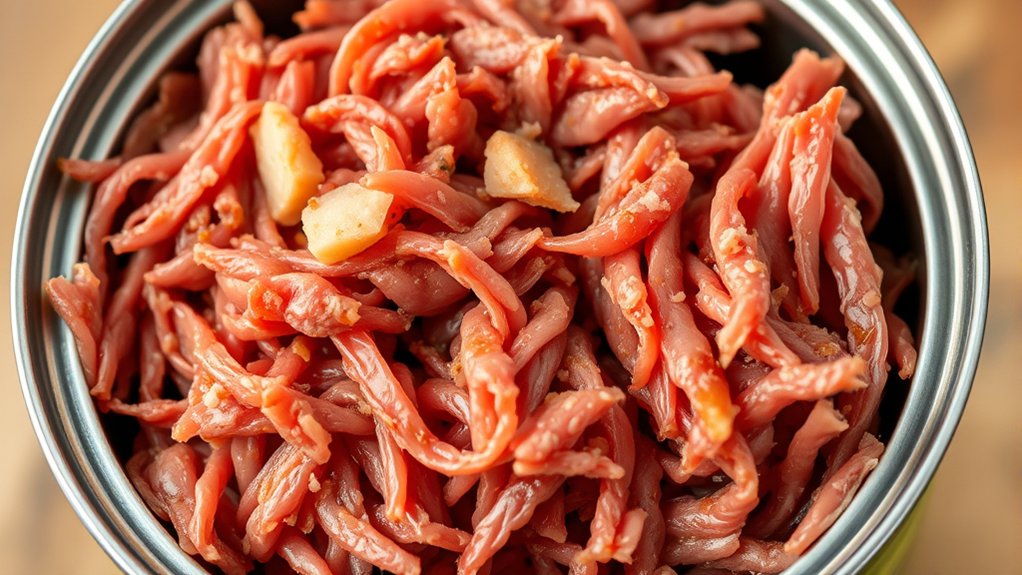
Canned corned beef is made from beef, salt, and water, with small amounts of sugar or spices added for flavor. The meat is cured in a brine solution that may include peppercorns, bay leaves, and other spices.
Preservatives like sodium nitrite and additives such as flavor boosters help extend shelf life and improve texture.
If you keep exploring, you’ll uncover more about what influences quality and how to choose the best option.
Key Takeaways
- Mainly made from beef, salt, and water. Sometimes, sugar and spices are added to give it extra flavor.
- The curing process involves soaking the meat in a salt-based brine with spices like peppercorns and bay leaves. This helps preserve the meat and adds flavor.
- It also contains additives such as sodium nitrite and sodium erythorbate. These are used to keep the meat looking fresh and maintain its color.
- Sometimes, fillers like soy protein or meat by-products are added. This helps reduce the overall cost of the product.
- Packaging and labels usually list all the ingredients, sodium content, the place of origin, and the expiration date. This information helps ensure the product’s quality and safety.
What Are the Main Ingredients in Canned Corned Beef?
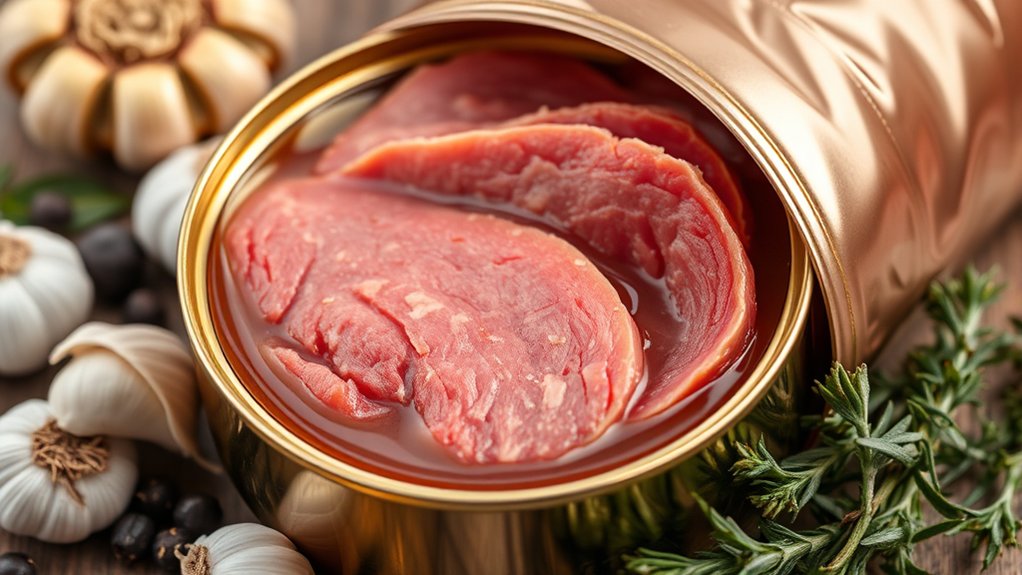
Canned corned beef usually has just a few simple ingredients. The main ones are beef, salt, and water, which help preserve it and keep it tender.
Sometimes, you might notice small amounts of sugar or spices added to boost the flavor, but these are minimal.
The beef itself is often a mix of lean meat and fat, giving it a rich taste and moist texture. Salt acts as a preservative and seasoning, while water helps during cooking and keeps the beef moist inside the can.
How Is Corned Beef Cured and Flavored?
The process of curing and flavoring corned beef turns simple beef cuts into the tasty dish many enjoy. It starts with soaking the meat in a brine or curing solution made with salt, water, and spices. This step helps draw out moisture and adds flavor.
Next, the beef is usually seasoned with spices like peppercorns, bay leaves, and mustard seeds, which give it its unique taste. Some producers also add sugar or other flavorings to make it sweeter and more complex.
The curing process can take anywhere from several days to weeks, allowing the flavors to fully soak into the meat. This careful mix of salting, seasoning, and marinating creates the bold, savory profile of canned corned beef.
What Preservatives and Additives Are Common in Canned Corned Beef?
To guarantee canned corned beef stays safe and tasty over time, manufacturers often add preservatives and additives. Common preservatives include sodium nitrite, which helps prevent bacterial growth and keeps the color vibrant.
Manufacturers add preservatives like sodium nitrite to keep canned corned beef safe, vibrant, and flavorful over time.
You might also see sodium erythorbate, which helps maintain the meat’s pink hue and prevents oxidation. Additives like flavor boosters or stabilizers can improve the taste and texture of the product.
Some canned corned beef contains phosphates to help retain moisture and make the meat more tender. While these ingredients help extend shelf life, they’re usually used in small amounts.
It’s a good idea to read labels if you’re sensitive to certain additives or prefer minimally processed foods. Overall, preservatives and additives keep canned corned beef safe, appealing, and shelf-stable during storage.
Does the Canning Process Change the Ingredients?
When you open a can of corned beef, you might wonder if the canning process changes its ingredients. The process can cause some changes in texture or flavor, but most of the original ingredients stay pretty much the same.
However, additives and preservatives are often added during processing to help keep the quality and safety intact. So, while the core ingredients are mostly the same, these extras play a role in preserving the product.
Ingredient Integrity During Canning
During the canning process, the ingredients in corned beef can undergo subtle changes, but these seldom alter the core components or flavor. Heat and pressure can cause minor shifts, such as:
- Slight protein denaturation, which helps preserve texture.
- Minimal moisture loss, maintaining juiciness.
- Minor flavor adjustments due to heat exposure.
These changes are natural and controlled to guarantee safety and quality. The main ingredients—beef, salt, and spices—remain intact, preserving the original taste profile. The process aims to sterilize the product without greatly altering its composition.
As a result, canned corned beef stays true to its original ingredients, with only small, intentional modifications to ensure it’s safe, shelf-stable, and flavorful when you open the can.
Additives and Preservatives
Although the canning process aims to preserve the core ingredients of corned beef, it often involves adding additives and preservatives to ensure safety and extend shelf life. These substances help prevent bacterial growth, spoilage, and maintain color and flavor.
Common preservatives include sodium nitrite, which inhibits bacteria and helps keep the meat’s pink hue. You might also find added stabilizers or antioxidants to prevent rancidity.
While some people worry about these chemicals, they are approved by food safety authorities and used in small amounts. The main ingredients—beef, salt, and spices—generally stay the same.
But additives are important because they help keep the product safe, fresh, and visually appealing during storage and transportation. So, the ingredients in canned corned beef are slightly altered to maintain quality over time.
Are There Fillers or Artificial Additives in Canned Corned Beef?
Many canned corned beef products include fillers or artificial additives to boost texture and shelf life.
You might find preservatives or flavor enhancers listed on the label, which can impact your choice.
Understanding whether these ingredients are natural or artificial helps you make informed decisions.
Common Fillers in Canned Corned Beef
You might wonder if canned corned beef contains fillers or artificial additives, as many processed meats do. Usually, manufacturers add some ingredients to improve texture, flavor, or shelf life.
Common fillers include soy protein or soy fillers, which are used to bulk up the product and cut costs. Water or broth are often added to keep the meat moist and boost flavor. Sometimes, meat by-products are included to fill gaps and lower production costs.
While these fillers are generally considered safe, they can change the texture and taste of the meat. Always check the label if you want to avoid additives, since some brands may use more fillers than others.
Artificial Preservatives Used
Artificial preservatives are commonly added to canned corned beef to extend shelf life and prevent spoilage. These additives help keep the meat safe to eat over long periods, especially when stored at room temperature.
Sodium nitrite is a typical preservative used. It inhibits bacterial growth and helps maintain the meat’s color. Some brands may also include preservatives like sodium erythorbate to reduce spoilage and improve appearance.
While these chemicals are approved for use, they can raise concerns about health and safety for some consumers. It’s important to read labels carefully if you want to avoid artificial preservatives.
Not all canned corned beef contains these additives, but many do to guarantee product stability and safety during storage.
Natural vs. Artificial Flavors
While preservatives help keep canned corned beef safe and fresh, the flavors added—whether natural or artificial—also influence its overall quality. Natural flavors come from real ingredients like spices, herbs, or cooked meat extracts, giving the product a more authentic taste.
Artificial flavors are synthetic and designed to mimic natural tastes at a lower cost. You might find natural flavors derived from real ingredients, offering more genuine taste profiles.
Artificial flavors are created in labs to improve or imitate the original flavor. Fillers or additives may also be used alongside flavorings to enhance texture or shelf life.
Understanding these differences helps you choose a product based on your preferences for natural ingredients versus cost-effective options.
How Do Brand and Quality Affect Canned Corned Beef?
Have you ever wondered how the brand and quality of canned corned beef influence its taste and value? The brand often determines the consistency and sourcing standards, affecting flavor and texture.
Well-known brands tend to use stricter quality controls and better ingredients, which results in a richer, more tender product. Higher-quality canned corned beef usually contains less filler and preservatives, making it more flavorful and healthier.
Cheaper options might have a stronger metallic taste or a tougher texture due to lower-grade meat or added fillers. When choosing a brand, consider reviews and reputation, as these often reflect the product’s overall quality.
Ultimately, spending a bit more on a reputable brand can lead to better taste, better texture, and greater satisfaction.
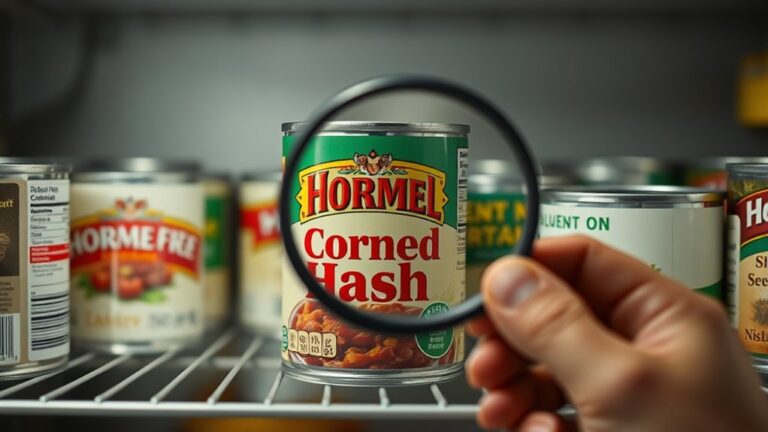
What Should You Look for on the Canned Corned Beef Label?
When examining the label on canned corned beef, you should focus on key information that reveals the product’s quality and contents. First, check the ingredient list for minimal additives and preservatives, preferring products with simple, recognizable ingredients.
Second, look for the sodium content. High sodium levels can be a concern, so opt for lower-sodium options if possible. Third, verify the expiration date to guarantee freshness and safety.
Furthermore, review the brand’s reputation and read any customer reviews for insights into quality. Packaging labels should also provide details about the meat’s origin and processing.
Frequently Asked Questions
Is Canned Corned Beef Suitable for All Dietary Restrictions?
Canned corned beef may not suit all dietary restrictions. If you’re vegetarian, vegan, or avoiding processed meats, it’s not suitable.
Those on low-sodium diets should check the label because canned versions often have high sodium levels. People with allergies like soy or MSG sensitivities should read ingredient lists carefully.
Always verify ingredients and nutritional info to see if it fits your specific dietary needs before eating.
How Long Does Canned Corned Beef Typically Last?
You can expect canned corned beef to last quite a while—usually around 2 to 5 years if unopened and stored in a cool, dry place.
Once opened, it’s best to enjoy it within 3 to 4 days for the best freshness. Keep an eye on the expiration date printed on the can.
If it develops an off smell or slimy texture, it’s time to toss it out.
Can Canned Corned Beef Be Eaten Raw?
You shouldn’t eat canned corned beef raw. It’s pre-cooked during the canning process, but eating it straight from the can isn’t safe because it may contain bacteria or pathogens.
To enjoy it safely, you should heat it thoroughly before eating. Heating also improves its flavor and texture.
Always follow the instructions on the can to guarantee safe consumption and avoid any health risks.
Are There Organic or Natural Options Available?
Yes, there are organic and natural options available if you’re looking for canned corned beef. These products usually come from animals raised without antibiotics or hormones and avoid artificial preservatives or additives.
When you’re shopping, look for labels like “organic,” “all-natural,” or certifications from reputable organizations. This helps you find corned beef that matches your preference for more natural ingredients.
Choosing these options means you can enjoy corned beef that’s healthier and more transparent about what’s in it.
What Are Common Alternative Uses for Canned Corned Beef?
Canned corned beef is a versatile workhorse in your kitchen, ready to surprise you beyond sandwiches. You can turn it into savory hash by frying it with potatoes and onions or craft hearty stews and soups for a filling meal.
It also works well chopped into salads or stuffed into baked potatoes. Its rich flavor and convenience make it a trusty ingredient, transforming simple dishes into comforting favorites with minimal effort.
Conclusion
Ultimately, understanding what’s in your canned corned beef helps you make mindful, meaningful choices. By checking ingredients, standards, and choosing carefully, you can confidently enjoy healthier options.
Reading labels reveals the true story of toppings, trims, and treats—making every meal a mindful choice. So, seek, scrutinize, and savor the superior, safe, and satisfying canned corned beef suited just for you.