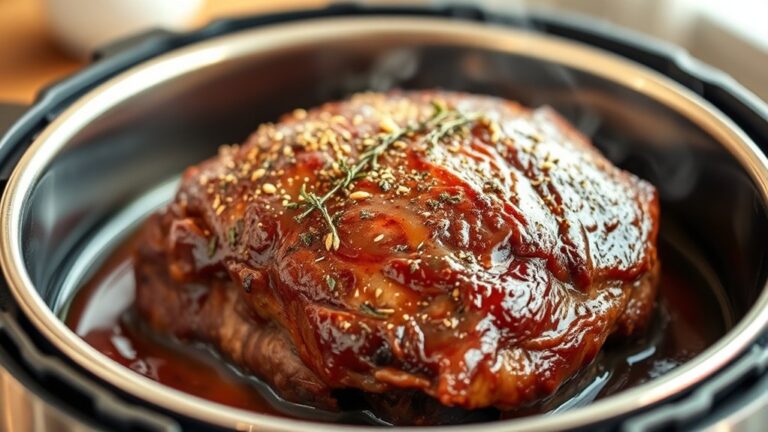
What Part of the Cow Is the Beef Shank?
Are you tired of cooking tough, flavorless cuts of beef that don’t quite hit the mark? You’re not alone—many home cooks struggle to make the most of certain cuts, especially those that require a bit more patience.
The beef shank comes from the lower leg of the cow, specifically the front (fore) or hind (hind) legs. This area supports the animal’s weight, making the muscles tough and sinewy.
The shank has plenty of connective tissue and marbling, which release rich flavors when cooked slowly.
If you want to uncover more about how to succeed with this flavorful cut, you’ll find helpful tips below.
Key Takeaways
- The beef shank comes from the cow’s leg, either the front (fore shank) or hind (hind shank) leg.
- It’s located above the knee joint in the front leg or above the hock in the back leg.
This cut includes muscles that are tough and sinewy because they do a lot of work.
Both shank types are best cooked slowly with moist heat to make the meat tender.
It’s a flavorful and budget-friendly cut, perfect for stews, braises, and osso buco.
What Is the Beef Shank and Why Is It Delicious?
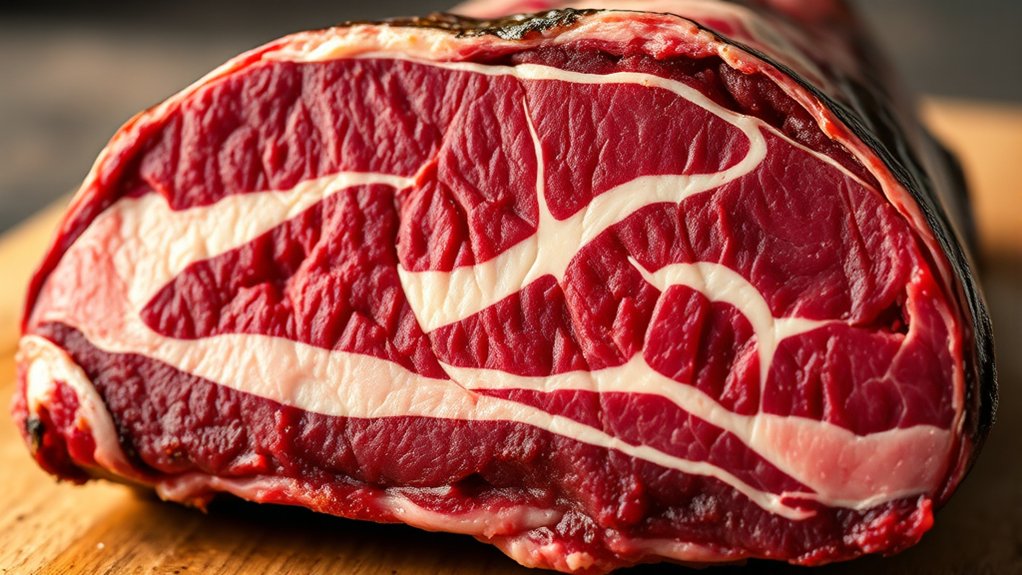
The beef shank is a flavorful cut from the cow’s leg, known for its rich, meaty taste and tender texture when cooked right. Its bold, beefy flavor comes from the marbling of fat and connective tissue, which melt during slow cooking.
This cut is perfect for braising, stewing, or slow roasting because these methods break down the tough fibers and create a melt-in-your-mouth experience. Its density gives it a hearty, satisfying quality, making it popular in soups and stews.
When cooked properly, the beef shank develops a deep, rich flavor that enhances any dish. You’ll notice its richness, making it a favorite for those craving a savory, comforting meal. Proper preparation turns this humble cut into a delicious, tender delight.
Where on a Cow Does the Beef Shank Come From?
Beef shank comes from the front or hind legs of a cow. These areas bear a lot of the animal’s weight and muscle activity.
This part of the cow is used for walking and standing, so the muscles here are tough and sinewy. The shank muscles develop a lot of connective tissue, which adds flavor but needs slow cooking to become tender.
The front shank, also called the chuck shank, is just above the knee joint in the front leg. The hind shank, or round shank, is located above the hock in the back leg.
Both areas are full of flavor, but they require gentle, moist cooking methods to break down the tough fibers and unlock their savory potential.
Understanding Cow Anatomy: Locating the Beef Shank
To locate the beef shank on a cow, start by examining the legs since this cut comes from the muscles in those areas. The beef shank is found on both the front and rear legs, specifically the lower part below the knee or hock.
It’s a muscular, sinewy section with a distinctive shape—usually thicker at the top and tapering downward. If you look closely, you’ll see the shank runs along the front of the lower leg, just above the ankle joint.
The front shank is part of the foreleg, while the rear shank is on the hind leg. To identify it more easily, look for the thick, dense muscle build, which gives the shank its toughness and rich flavor.
What Are the Different Types of Beef Shank?
There are two main types of beef shank: the fore shank and the hind shank. The fore shank is in the front leg, closer to the shoulder, and tends to be leaner with more connective tissue.
It’s often used for braising or slow cooking because it becomes tender when cooked slowly. The hind shank, found in the back leg, is more muscular and tougher but has more flavor.
It’s perfect for hearty stews, soups, or making stock, as the connective tissue breaks down over time. Both types are rich in flavor and need slow, moist-heat cooking methods to become tender.
Choosing between them depends on your recipe and your preferred cooking style.
How to Spot High-Quality Beef Shank at the Market
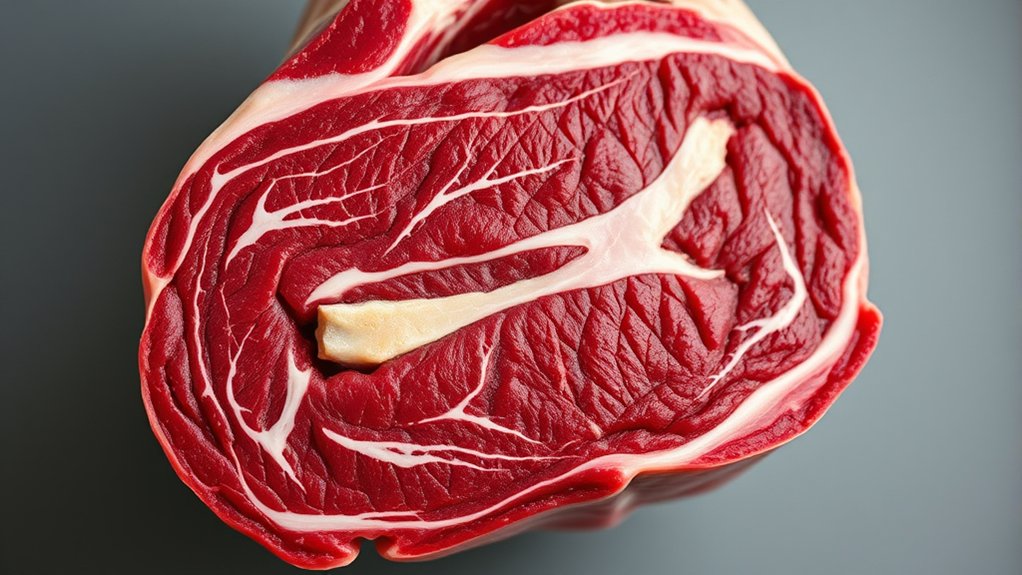
When selecting beef shank at the market, focus on its appearance and quality indicators to guarantee you get the best cut. Look for meat that’s deep red with a slight marbling of fat, which adds flavor and tenderness.
The surface should be firm, moist but not slimy, and free of discoloration or dried edges. Avoid shank with excessive blood or dark patches, as these can indicate aging or poor handling.
Check for even thickness and confirm the meat feels dense and resilient when pressed. Fresh beef shank shouldn’t have an overpowering odor; a mild beef smell is ideal.
Common Culinary Uses for Beef Shank and Its Unique Flavors
Beef shank develops rich, braised flavors that make it perfect for hearty stews and slow-cooked dishes. Its tender meat absorbs spices and seasonings well, enhancing its depth of taste.
If you’re after a flavorful, melt-in-your-mouth experience, beef shank is an excellent choice. Its unique flavors really shine in dishes that require long, gentle cooking.
Rich, Braised Flavors
Rich, braised flavors are what make many classic dishes featuring beef shank so special. When you slow-cook it with herbs, vegetables, and aromatic liquids, the meat becomes incredibly tender and full of savory goodness.
As the beef shank cooks, its collagen and connective tissues break down, creating a luscious, gelatinous sauce that coats every bite. This process really amps up the meat’s natural richness.
It’s perfect for hearty stews, osso buco, or pot roasts. Over hours, the flavors meld into a complex, deeply savory profile that’s both comforting and satisfying.
The slow cooking enhances the beef shank’s bold qualities, making it a go-to for dishes that need layered, robust flavors.
Ideal for Stews
Thanks to its sturdy, flavorful profile, beef shank is a great choice for hearty stews. The cut’s rich marbling and connective tissue break down during cooking, releasing gelatin that naturally thickens the broth.
This results in a stew with a luscious, velvety texture and deep, beefy flavor. Using beef shank adds complexity and body to your dish, making every bite satisfying.
Its robust taste pairs well with vegetables, herbs, and spices, creating a comforting, filling meal perfect for cold days or family dinners.
Thanks to its structure, beef shank holds up well in long simmering sessions, making it a versatile and essential cut for anyone making a flavorful, hearty stew.
Perfect for Slow Cooking
When you slow cook beef shank, its full flavor and tender texture really shine. The low heat breaks down the connective tissues, turning the meat into melt-in-your-mouth goodness.
This method lets the rich, beefy flavors develop fully, making it perfect for hearty, comforting dishes. Plus, the bones add extra depth to your broth or gravy.
Here are three popular ways to use beef shank in slow cooking:
- Braised beef shank with vegetables
- Osso Buco-style dishes
- Flavorful beef broth or stock
Using slow cooking ensures you get every ounce of flavor and a tender, satisfying result. It’s great for cold days or family dinners.
Tips for Preparing and Cooking Beef Shank for Best Results
To achieve tender, flavorful beef shank, start by properly preparing it before cooking. First, trim excess fat and connective tissue to prevent dishes from becoming overly greasy.
Marinate the meat in a mixture of herbs, garlic, and acid like vinegar or wine for a few hours. This step tenderizes the meat and boosts its flavor.
Before cooking, consider browning the shank in a hot skillet with oil. This develops rich, caramelized flavors and helps seal in moisture.
Use a flavorful liquid such as broth or wine when slow roasting or braising. It keeps the meat moist and adds depth to the dish.
Maintain a low, gentle heat during cooking. This allows collagen to break down slowly, resulting in fall-off-the-bone tenderness.
Finally, let the meat rest briefly before serving. This helps juices distribute evenly, making every bite more delicious.
Nutritional Benefits of Eating Beef Shank
Eating beef shank not only offers rich flavors but also provides a range of valuable nutrients that support your health. It’s a good source of high-quality protein, essential for muscle maintenance and repair.
Furthermore, beef shank is rich in iron, which helps prevent anemia and boosts your energy levels. You’ll also find zinc, crucial for immune function and wound healing.
To give you a clearer picture, here are three key benefits:
- Supports muscle growth and repair with protein
- Boosts energy and prevents fatigue through iron content
- Strengthens immune health with zinc
Incorporating beef shank into your diet can be a tasty way to improve overall wellness, thanks to its impressive nutrient profile.
Regional Variations in Beef Shank Cuts
Regional variations in beef shank cuts show differences in butchering styles and culinary traditions across areas. Sometimes, the shank is separated into fore and hind sections, each used for specific dishes.
In the U.S., the shank often stays whole, perfect for slow braising and soups like osso buco. Meanwhile, European butchers might cut it into smaller pieces to highlight different textures and flavors.
In Asian cuisines, the shank is usually sliced thinly for stews, making it tender and flavorful. Latin American dishes often keep the shank in larger chunks for hearty stews.
These regional practices shape how you prepare and enjoy beef shank, reflecting local flavors, cooking methods, and cultural tastes.
Why You Should Try Cooking With Beef Shank
Cooking with beef shank brings a rich, savory flavor to your dishes that’s hard to beat. It’s perfect for braising, which melts the meat’s connective tissues into tender goodness, making every bite satisfying.
Plus, beef shank is an affordable option that delivers great flavor and texture without breaking the bank. It’s a smart choice for hearty, flavorful meals.
Rich Flavor Profile
Beef shank offers a rich, deep flavor that elevates any dish you make. Its robust taste comes from marrow-filled bones and well-exercised muscles, adding complexity to your meals.
When cooked properly, beef shank becomes melt-in-your-mouth tender and absorbs flavors beautifully. To really appreciate its flavor profile, consider these aspects:
- Umami Boost – Its natural savory richness enhances stews and soups, making every bite satisfying.
- Marrow Infusion – The bone marrow releases into the meat during cooking, adding a buttery, luxurious flavor.
- Intense Beefiness – Its hearty, primal taste makes it perfect for slow-cooked meals with bold flavors.
Cooking with beef shank gives your dishes depth, richness, and an irresistible beefy punch.
Perfect For Braising
Because of its connective tissue and collagen content, beef shank becomes incredibly tender and flavorful when braised slowly over low heat. This method breaks down tough fibers, making the meat melt-in-your-mouth.
Braising transforms beef shank into a rich, savory dish that’s perfect for stews, soups, or pot roasts. It also absorbs flavors well, so it’s versatile across many cuisines.
To get the best results, choose the right cut and cook it patiently. Here’s a quick look at why braising is ideal for beef shank:
| Benefit | Description | Best For |
|---|---|---|
| Tenderness | Collagen turns to gel, softening the meat | Stews, braises, slow-cooked dishes |
| Flavor Absorption | It picks up spices and aromatics | Soups, osso buco, pot roasts |
| Cost-Effective | Less expensive but still delicious | Family meals, batch cooking |
Economical Meat Choice
If you’re after a budget-friendly cut that still packs a punch of flavor, beef shank is a great pick. It’s affordable, versatile, and full of rich, meaty goodness. Plus, it’s perfect for slow-cooking methods that tenderize the meat, making it a smart choice for economical meals.
Here are three reasons to try cooking with beef shank:
- Cost-effective – It’s one of the most affordable beef cuts.
- Flavorful – Its marrow and connective tissues add depth to dishes.
- Versatile – You can use it in stews, soups, and braises for hearty meals.
How to Incorporate Beef Shank Into Your Favorite Recipes
To incorporate beef shank into your favorite recipes, start by understanding its rich, meaty flavor and tender texture once slow-cooked.
This cut works beautifully in stews, soups, and braised dishes because it becomes incredibly tender and flavorful after long cooking times.
You can use beef shank in classic pot roasts, Osso Buco, or even hearty chili.
Before cooking, consider seasoning it well and browning the meat to develop a richer taste.
Because of its tough connective tissue, slow simmering or braising is essential to break down the fibers and achieve a melt-in-your-mouth texture.
Incorporate beef shank into recipes that benefit from extended cooking, and you’ll enjoy a flavorful, satisfying dish with minimal effort.
Frequently Asked Questions
Is Beef Shank Suitable for Slow-Cooking Recipes?
Yes, beef shank is great for slow-cooking recipes. Its tough muscle fibers break down nicely over low heat, making the meat tender and flavorful.
When you braise or stew beef shank, the long cooking time melts the collagen, which creates a rich gravy and soft meat.
It’s perfect for dishes like osso buco or hearty stews, giving you a delicious, melt-in-your-mouth experience every time.
How Long Does It Take to Cook Beef Shank Properly?
It takes about 2.5 to 3.5 hours to cook beef shank properly in a slow cooker or oven. Think of it as turning a rough stone into a smooth gem—you need patience.
The low and slow method breaks down tough connective tissues, making the meat tender and flavorful. Check for fall-apart softness and make sure it reaches an internal temperature of at least 145°F for safety.
Can Beef Shank Be Used in Stews or Soups?
Yes, you can definitely use beef shank in stews or soups. Its rich, gelatinous meat adds depth and flavor, making your dish hearty and satisfying.
Since beef shank is a tougher cut, you’ll want to cook it slowly over low heat. This helps tenderize the meat and releases its flavors.
This method guarantees your stew or soup becomes tender, flavorful, and perfect for a comforting meal.
What Are Common Substitutes for Beef Shank?
You can substitute beef shank with cuts like beef chuck, brisket, or round. These options are good because they’re also tough, flavorful cuts that work well with slow cooking methods like braising or stewing.
When choosing a substitute, look for meat with good marbling and connective tissue. This helps replicate the rich, tender results you get from beef shank.
Make sure to adjust cooking times accordingly to ensure the meat becomes tender.
Is Beef Shank Considered a Lean or Fatty Cut?
Beef shank is considered a fatty cut, like a treasure chest filled with rich, flavorful marbling. As you cook it, the fat melts into the meat, creating a tender, melt-in-your-mouth experience.
Its hearty nature makes it perfect for slow-cooked dishes, where its robust flavor can really shine. While it’s not as lean as some cuts, its richness adds depth and a satisfying, savory profile to your recipes.
Conclusion
Now that you know where the beef shank comes from and how to spot its savory segments, you’re ready to revive your recipes with this robust cut. Welcome the earthy aroma, enrich your dishes with its hearty heart, and enhance your culinary creations.
Let the luscious lure of beef shank lead your kitchen adventures, turning simple meals into sensational, soulful experiences. Savor the smoky, succulent sensation. Your taste buds will thank you!