What Temperature Does Corned Beef Fall Apart How to Guide
Many people love corned beef but often struggle to get it just right—tender, juicy, and falling apart. If you’ve ever had a tough or dry piece, you’re not alone. Achieving that perfect melt-in-your-mouth texture can feel elusive, but with a few simple tips, you can master it.
To make corned beef fall apart, cook it to an internal temperature between 190°F and 205°F. This range breaks down collagen and connective tissues, making the meat tender and juicy. Use a meat thermometer to monitor the temperature closely, and opt for slow cooking or braising in liquid.
Avoid high heat or rushing the process, as it can toughen the meat.
Keep in mind, longer cooking at the right temperature guarantees perfect tenderness—there’s more to uncover if you keep exploring.
Key Takeaways
- Cook corned beef to an internal temperature of 190°F to 205°F for the best tenderness and that fall-apart texture everyone loves.
- Keep an eye on the temperature with a meat thermometer. It helps you monitor accurately during slow cooking or braising.
- Don’t crank up the heat! Keep it at a gentle simmer to avoid toughening the meat or drying it out.
- Once it’s cooked, let the meat rest for at least 15 minutes. This helps keep it juicy and makes slicing easier.
- Cooking within this temperature range for a longer time breaks down collagen, resulting in tender, juicy meat.
What Temperature Makes Corned Beef Fall Apart?
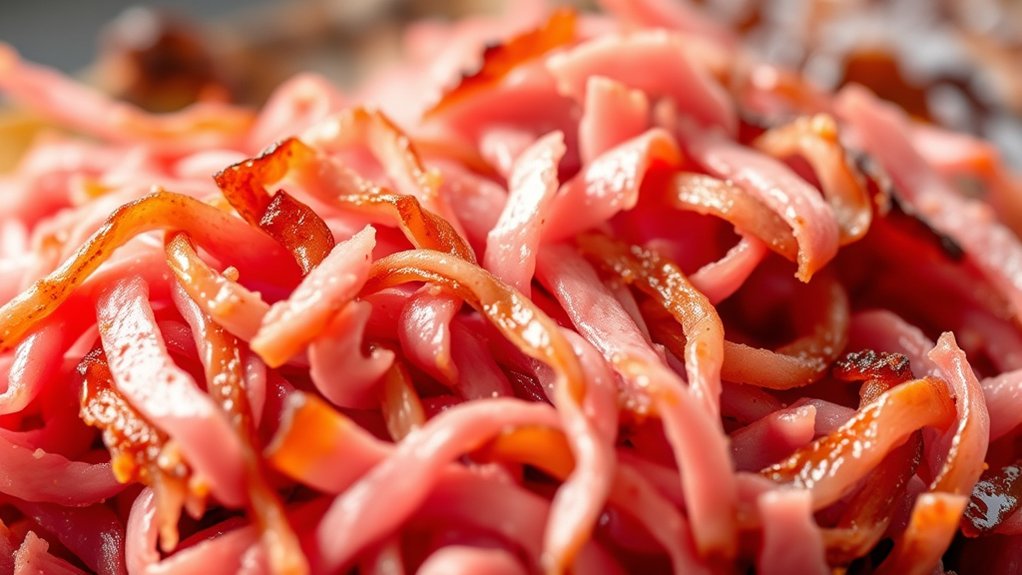
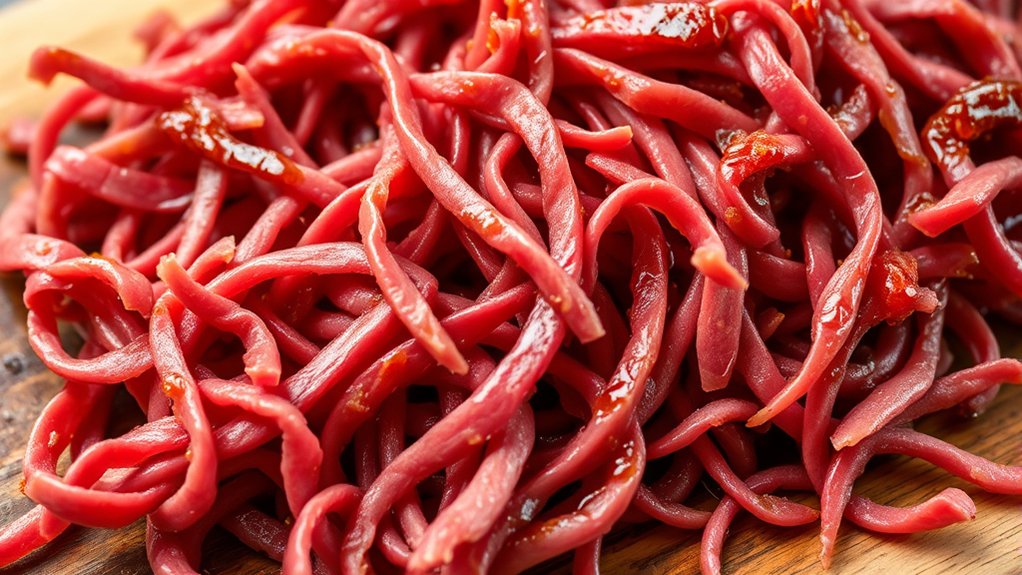
To make corned beef fall apart, you need to cook it to an internal temperature of around 190°F to 205°F (88°C to 96°C). This range breaks down the collagen and connective tissues, turning tough meat into tender perfection.
When you reach these temperatures, the meat becomes easier to shred or slice, with a moist, juicy texture. Cooking within this window helps the beef become melt-in-your-mouth tender without drying out.
Patience is key—rushing the process can lead to dry or tough meat. Using a reliable thermometer helps you hit that ideal temperature precisely.
Once you’ve reached this range, your corned beef will be perfectly tender and ready to serve, falling apart effortlessly with every bite.
How to Monitor Internal Temperature During Cooking
Monitoring the internal temperature of corned beef as it cooks is key to getting it just right. A reliable meat thermometer helps you avoid overcooking or undercooking.
Insert the thermometer into the thickest part of the meat, steering clear of fat or bones for the most accurate reading. Check the temperature often as it gets close to your target.
Corned beef is usually done between 195°F and 205°F. That’s when it becomes tender enough to fall apart easily. Keep an eye on the temperature to hit that perfect point.
| Temperature Range | Effect on Texture | Recommended Use |
|---|---|---|
| 145°F – 160°F | Slightly firm | Serving rare |
| 160°F – 180°F | Tender but firm | General cooking |
| 180°F – 205°F | Very tender, falls apart | Perfect for shredding |
Best Cooking Methods for Tender Corned Beef
Choosing the right cooking method makes all the difference in getting tender, easily shreddable corned beef. The best way is slow cooking, either in a slow cooker or simmering on the stovetop.
This gentle heat breaks down connective tissues, which results in juicy, tender meat. Cooking in a Dutch oven or roasting in the oven at a low temperature also works well.
Avoid high heat because it can make the beef tough and dry. Braising the beef in a flavorful liquid like water, beer, or broth helps keep it moist and boosts flavor.
Whichever method you choose, make sure to keep the temperature low and steady. Cook the meat until it reaches the right internal temperature for fall-apart tenderness.
Common Mistakes That Keep Corned Beef Tough
One of the most common reasons corned beef stays tough is overcooking it at too high a temperature. This makes the connective tissues tighten instead of breaking down. Cooking it too long or at too high a heat prevents the collagen from turning into tender gelatin, leaving the meat rubbery.
Cutting into the meat right after cooking can cause it to seize and toughen. Letting the beef rest before slicing helps the juices redistribute, making it more tender. If you skip this step, the meat might end up tougher than it should be.
Using too little liquid or cooking without enough moisture can dry out the meat. This makes it harder to chew and less flavorful. Rushing the process by avoiding low and slow cooking stops the collagen from fully breaking down, resulting in a tougher texture.
Tips for Ensuring Perfectly Tender Corned Beef Every Time
To get perfectly tender corned beef, start by cooking it at the right temperature, usually around 190°F to 205°F, to break down the connective tissues.
Be sure to let it rest for at least 15 minutes before slicing to lock in moisture, and choose a cut like brisket for the best results.
These simple tips will help you achieve melt-in-your-mouth corned beef every time.
Optimal Cooking Temperatures
Getting corned beef perfectly tender depends on cooking it at the right temperature. For the best results, aim for a steady temperature of around 190°F to 200°F (88°C to 93°C).
This range helps the connective tissues break down slowly, making the meat tender and flavorful. Using a slow cooker or gentle simmer on the stove keeps the temperature steady.
Avoid boiling the meat vigorously because high heat can make it tough and dry. If you’re using a thermometer, check the internal temperature to make sure it stays in the recommended range.
Proper Resting Techniques
After removing the corned beef from the heat, letting it rest is key to locking in moisture and getting that tender, melt-in-your-mouth feel. Wrap the meat loosely with foil to keep it warm without trapping too much steam.
Let it rest for at least 10-15 minutes; this allows the juices to redistribute evenly throughout the meat. If you cut into it right away, the juices will escape, making it dry and tough.
During resting, the meat continues to cook slightly from residual heat, so don’t overdo it. Resting just enough ensures every bite is juicy and tender, making your corned beef irresistibly flavorful and perfectly textured.
Choosing the Right Cut
Choosing the right cut of meat is key to getting tender, flavorful corned beef. The best cuts come from the brisket, which has the connective tissue needed for slow cooking and tenderness. When picking your meat, consider these options:
- Point Cut Brisket – Has more marbling and fat, giving it a richer flavor and juiciness.
- Flat Cut Brisket – Leaner and easier to slice, perfect if you want a leaner meal.
- Pre-cured Corned Beef – Comes already seasoned and cured, saving you prep time.
Pick a fresh, high-quality cut with good marbling. This will break down during cooking, making your corned beef fall apart tender. Choosing the right meat guarantees a juicy, flavorful result every time.
How Long Should You Cook Corned Beef for Fall-Apart Results?
To get corned beef to fall apart, you need to cook it for the right amount of time, usually between 2.5 to 4 hours. Keep an eye on the internal temperature, aiming for around 190°F to 200°F, for tender results.
Depending on your cooking method, like a slow cooker or stovetop, the time may vary slightly to achieve that perfect pull-apart texture.
Ideal Cooking Duration
Cooking corned beef just right is key to getting that tender, fall-apart texture you want. Usually, you’ll want to cook it for about 2.5 to 3.5 hours, depending on how big the cut is. Use a gentle, steady simmer to break down the connective tissues without drying out the meat.
Keep in mind, larger cuts take more time, so plan accordingly. Make sure the temperature stays just below boiling to avoid toughening the meat.
Periodically check for tenderness—when a fork easily pulls the meat apart, it’s ready. Following these tips will help you achieve that perfect, melt-in-your-mouth corned beef.
Internal Temperature Goals
Knowing the right internal temperature is key to getting that tender, fall-apart texture in corned beef. Generally, aim for about 190°F to 205°F (88°C to 96°C).
Cooking within this range helps break down the collagen in the meat, making it melt-in-your-mouth tender. If you cook it too low, the meat stays tough and chewy.
On the other hand, cooking it too high or for too long can dry out the meat or make it too soft. Use a reliable meat thermometer to keep a close eye on the temperature.
Getting to the right internal temperature ensures your corned beef is perfectly tender, moist, and easy to shred or slice for serving.
Cooking Method Variations
Different cooking methods and durations can really change how tender and fall-apart your corned beef turns out. The trick is picking the right technique and timing.
Slow Cooking: Use a slow cooker on low for 8-10 hours. This gently breaks down connective tissues, making the meat tender.
Boiling: Simmer in water or broth for 2.5-3 hours, making sure the meat stays submerged so it tenderizes evenly.
Oven Roasting: Cover and cook at 300°F (150°C) for 3-4 hours. Slow heat helps tenderize the meat thoroughly.
Adjust cooking times based on the size and cut, but remember, patience is key for that perfect fall-apart texture.
Frequently Asked Questions
Can You Overcook Corned Beef to the Point It Becomes Mushy?
Yes, you can overcook corned beef, which can make it mushy. If you cook it too long or at too high a temperature, the connective tissues break down too much.
This results in a texture that’s soft and fall-apart, sometimes even overly mushy. To avoid this, cook it gently and check for tenderness instead of just relying on the time.
That way, it stays moist and keeps a good, firm texture.
Does Resting Corned Beef Affect Its Tenderness?
Resting corned beef really helps with its tenderness. Studies show that letting the meat rest for about 10-15 minutes lets the juices redistribute, making it more moist and flavorful.
If you cut into it right after cooking, those juices escape, which can make the meat drier and tougher. So, for the best tenderness, give your corned beef a short rest.
You’ll end up with a juicier, more tender bite, and it’ll taste even better. Just a little patience makes a big difference!
Is There a Way to Reheat Corned Beef Without Drying It Out?
Yes, you can reheat corned beef without it drying out. Wrap it in foil and heat it gently in the oven at about 250°F.
Alternatively, reheat slices in a skillet with a splash of broth or water over low heat. Cover it to trap moisture and keep it tender.
Avoid using high temperatures, which can make the meat dry. This method helps keep your corned beef moist, tender, and flavorful.
How Does the Cut of Meat Impact Fall-Apart Texture?
The cut of meat really decides if your corned beef will fall apart tender or stay a bit firm.
If you go for a well-marbled, tougher cut like brisket, it will practically melt in your mouth with that perfect, irresistible texture.
On the other hand, leaner cuts might have a hard time reaching that melt-away softness.
Can Adding Acid or Vinegar Improve Tenderness During Cooking?
Yes, adding acid or vinegar can help make meat more tender during cooking. Just a splash of vinegar or lemon juice in your cooking liquid can do the trick.
It helps break down connective tissues and softens the meat, making it more tender and flavorful. Just be careful not to add too much, as it can overpower the taste.
A little acid goes a long way in achieving that perfect tenderness.
Conclusion
As you reach the perfect temperature, your corned beef transforms, shedding its toughness like a shell, revealing tender, juicy layers beneath. Think of the heat as a gentle conductor, guiding each fiber to harmony.
With patience and careful monitoring, you orchestrate a symphony of flavor and tenderness. When the internal temperature hits around 190°F to 200°F, the beef falls apart easily, becoming melt-in-your-mouth tender.
That’s the magic number for corned beef to fall apart—when it reaches about 190°F to 200°F. At this point, your meat is perfectly tender and juicy, ready to serve as a delicious masterpiece.