How Does an Induction Hot Plate Work?
Many people struggle with cooking appliances that take forever to heat up or waste energy. If you’re tired of waiting around for your stove to warm and want a more efficient cooking experience, you’re not alone. That’s where induction hot plates come in, offering a faster and smarter way to cook.
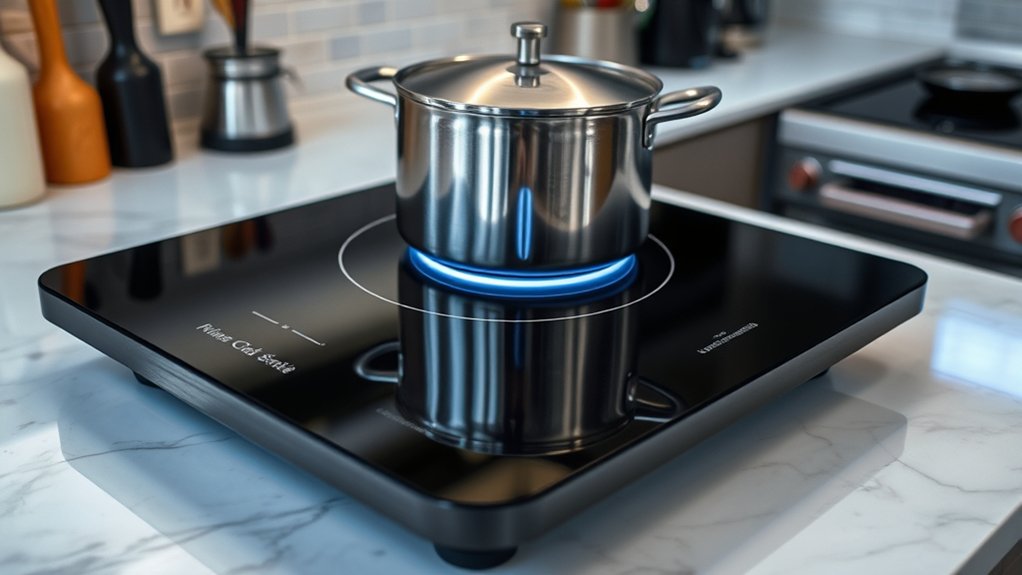
An induction hot plate heats cookware directly through electromagnetic fields generated by a coil beneath the surface. When you place ferromagnetic pots or pans on it, the magnetic field creates eddy currents inside the cookware, which heat it quickly and efficiently.
Since heat is produced inside the cookware, the surface stays cooler and heats up rapidly.
If you want to understand the detailed process and how to make the most of it, keep exploring how induction technology works.
Key Takeaways
- Induction hot plates use electromagnetic energy to heat ferromagnetic cookware directly through oscillating magnetic fields.
- An electric current flows through a coil beneath the surface, creating a magnetic field that induces eddy currents in the cookware.
- These eddy currents generate heat inside the cookware because of electrical resistance. The heat is not produced on the hot plate surface itself.
- Whether induction cooking works depends on if the cookware is magnetic. A simple magnet test can help you check if your pots and pans are suitable.
- Induction hot plates offer safety and efficiency benefits. They heat up quickly, give you precise control, and often have automatic shut-off features.
What Is an Induction Hot Plate and How Does It Work?
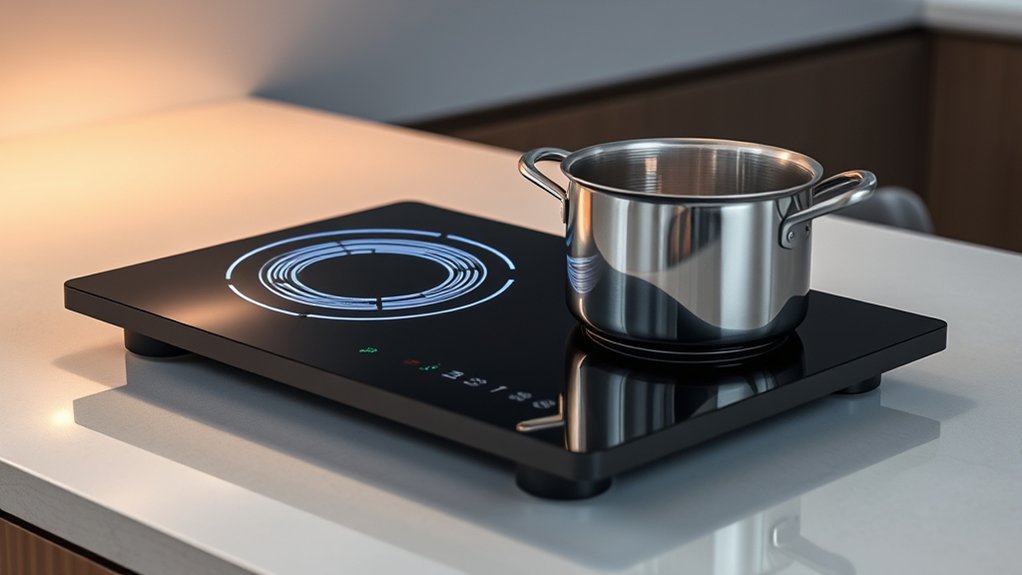
An induction hot plate is a cooking device that uses electromagnetic energy to directly heat pots and pans. When you turn it on, an electric current flows through a coil beneath the surface.
This creates an oscillating magnetic field right above the coil. When you place compatible cookware—usually ferromagnetic—on the surface, the magnetic field induces electric currents inside the metal.
These currents generate heat directly in the cookware, not in the hot plate itself. Because heat is produced inside the pot, it heats up quickly and efficiently.
This process allows for rapid temperature adjustments and precise control. Unlike traditional burners, induction hot plates eliminate the need for a flame or electric element to transfer heat, making them safe and energy-efficient.
How Electromagnetic Fields Heat Your Cookware
When you place ferromagnetic cookware on an induction hot plate, the electromagnetic fields generated beneath the surface come into play. These fields quickly create changing magnetic flux in your cookware.
Because of this, electrical currents called eddy currents flow within the metal. As these currents move through the resistance of the material, they generate heat directly inside the cookware.
This process is very efficient because it heats only the cookware, not the hot plate surface. The heat then transfers from the cookware to your food.
The faster and more efficiently the eddy currents are induced, the quicker your cookware heats up. This method allows precise temperature control and instant heating adjustments, making cooking faster, safer, and more energy-efficient.
Are Your Cookware and Induction Compatible?
Are you wondering whether your cookware will work with an induction hot plate? The key is to check if your pots and pans are made of magnetic material.
Induction cooking requires cookware with a ferromagnetic base, like cast iron or certain stainless steels. To test this, hold a magnet to the bottom of your cookware. If it sticks, you’re good to go.
If the magnet doesn’t stick, your cookware won’t heat properly on an induction plate. Non-magnetic materials like aluminum, copper, or glass won’t work unless they have a magnetic layer embedded.
Using incompatible cookware can result in no heat transfer or uneven cooking. Ensuring your cookware is induction-compatible is essential for safe, efficient, and effective cooking on your hot plate.
Step-by-Step: How Induction Heating Happens
Induction heating starts when an electric current flows through a coil under the cooktop surface, creating a rapidly changing magnetic field. This magnetic field extends upward and can penetrate the cookware if it’s compatible.
Induction heating begins with a magnetic field that penetrates compatible cookware, generating heat directly inside for quick, precise cooking.
When the magnetic field interacts with ferromagnetic material, it induces tiny electric currents called eddy currents inside the cookware. These currents flow through the metal’s resistance, generating heat directly within the cookware itself.
The heat then transfers to the food or liquids inside. Since the process happens inside the cookware, the cooktop surface stays relatively cool. This efficient energy transfer allows for quick heating and precise temperature control.
The whole process takes just seconds, making induction cooking fast, responsive, and energy-efficient.
Key Safety Features of Induction Hot Plates
Induction hot plates have several safety features to keep you protected while cooking. You’ll find an automatic shut-off that turns the device off if it’s left unattended.
They also come with overheat protection to prevent the hot plate from overheating. Plus, a child safety lock keeps curious little hands from accidentally activating or changing settings.
Automatic Shut-Off Function
The automatic shut-off function is a key safety feature that helps prevent accidents and damage. It turns off the hot plate if it detects unsafe conditions.
If you leave the hot plate unattended for a while or if it senses no cookware or low temperature, it will automatically power down. This helps prevent overheating, fires, or electrical issues.
It also reduces energy consumption by stopping operation when it’s not in use. Many models come with adjustable timers, so you can set how long it stays on before shutting off.
This way, you don’t have to worry about forgetting to turn it off manually. It gives you peace of mind while cooking.
Overheat Protection System
Building on the safety features that help prevent accidents when using hot plates, the Overheat Protection System plays an essential role in maintaining safe operation. It constantly monitors the hot plate’s temperature and automatically shuts it down if it gets too hot.
This prevents overheating that could damage the appliance or cause burns. When the system detects excessive heat, it interrupts power to the induction coil, allowing the hot plate to cool down before it resumes operation.
This feature helps protect you from potential fires or malfunctions. Many induction hot plates also include alerts or indicators to warn you if overheating occurs.
Child Safety Lock
A child safety lock is an important feature that stops little ones from accidentally turning on or fiddling with the hot plate. When it’s turned on, it locks the control panel, so kids can’t change settings or switch on the device.
This feature gives you peace of mind, especially if you have curious kids around. To activate the lock, you usually press and hold a specific button or a combo of buttons. Once it’s on, it stays engaged until you turn it off.
Some models even have visual indicators, like a lock icon, to show when the safety lock is active. Overall, it’s a simple but effective way to prevent accidents and keep your cooking area safe.
Benefits of Using an Induction Hot Plate
Using an induction hot plate saves you energy because it heats only the cookware, not the surrounding air. Its rapid heating capabilities mean you can start cooking almost instantly, saving time and effort.
Plus, with precise temperature control, you can cook more accurately and avoid over or underheating your food.
Energy Efficiency Advantages
Because induction hot plates directly transfer energy to cookware through electromagnetic fields, they waste less heat and use less electricity compared to traditional stovetops. This targeted energy transfer means more of your power goes directly into heating your food, not the surrounding air or stovetop surface.
As a result, you’ll notice lower energy bills and reduced environmental impact. Induction cooking heats up quickly, so you spend less time with the burner on, which helps conserve energy too. The precise control allows you to set exact temperatures, preventing excess heating and waste.
Rapid Heating Capabilities
Induction hot plates heat up almost instantly once turned on, so you can start cooking within seconds. This quick heating saves you time and makes your cooking more efficient. You don’t have to wait for the whole surface to warm up, so your meals get underway faster. Plus, the fast response time means you can easily adjust the heat level without any delay.
Here are some key benefits of this rapid heating capability:
- Time savings—cuts down your overall cooking time.
- Instant adjustments—gives you precise control over temperature changes.
- Energy efficiency—only heats the cookware, not the surrounding air.
- Increased safety—less heat buildup reduces the risk of burns or accidents.
Precise Temperature Control
The rapid heating response of induction hot plates not only saves time but also allows for highly accurate temperature adjustments. You can set specific temperatures easily, thanks to precise electronic controls.
Unlike traditional stoves, induction hot plates detect changes instantly and adjust power levels to keep your desired temperature. This level of control prevents overheating or underheating, giving you consistent results every time.
Whether you’re simmering, boiling, or maintaining a delicate heat, you can fine-tune the settings effortlessly. The precise temperature control helps you avoid waste, improve safety, and get better cooking outcomes.
With this feature, you can cook with confidence, knowing your hot plate responds quickly and accurately to your adjustments.
Common Myths About Induction Cooking Debunked
Many people think induction cooking is complicated or unsafe, but these ideas are often based on myths. First, they worry about safety, but induction hot plates only heat cookware with magnetic fields, so there’s no open flame or hot surface to get burned.
Second, some believe you need special cookware, but most iron or steel pots and pans work fine. Third, people think induction is expensive, but prices have dropped, and there are affordable options now.
Finally, many say that controlling the heat is hard, but with precise temperature controls, it’s actually easy to cook exactly how you want.
Tips for Using Your Induction Hot Plate Effectively
To get the most out of your induction hot plate, start by using cookware that’s compatible. Most iron or steel pots and pans work well, but steer clear of non-magnetic materials. Using the right cookware makes heating faster and more efficient, saving energy.
Keep the surface clean and dry. This prevents slipping and ensures good contact with your cookware, which helps with even heating.
Use the control settings wisely. Begin with low or medium heat and adjust gradually to avoid overcooking or burning your food. For more precise cooking, take advantage of the temperature sensors to prevent overheating.
Remember to turn off the hot plate when you’re not using it. This simple step saves energy and helps extend the device’s lifespan.
Here’s a quick tip table:
| Tip | Benefit |
|---|---|
| Use compatible cookware | Faster, more efficient heating |
| Keep surface clean | Prevents slipping and improves contact |
| Adjust gradually | Prevents overcooking or burning |
| Turn off when idle | Saves energy and prolongs device life |
Troubleshooting Common Issues With Induction Hot Plates
If your induction hot plate isn’t turning on, start by checking your power supply. Loose connections or tripped breakers are common culprits.
Overheating can happen if you use it for too long or at high settings. Always keep an eye on it and give it time to cool down before using it again.
Fixing these common issues can help keep your hot plate safe and working efficiently.
Power Supply Problems
Power supply issues are a common cause of problems with induction hot plates, often preventing them from turning on or working properly. If your hot plate isn’t functioning, start by checking the power source.
First, test the outlet with another device to make sure it has power. Make sure the power cord is securely connected and free of damage.
Check your circuit breaker or fuse box for tripped breakers or blown fuses. Also, confirm the voltage matches what the hot plate needs, especially if you’re using adapters or extension cords.
Fixing these issues can often solve power problems quickly. If everything seems fine but the hot plate still won’t turn on, it might be a more complex electrical problem that needs a professional to look at.
Overheating and Safety
Overheating is a common issue that can threaten the safety and functionality of your induction hot plate. If it gets too hot, it might shut down automatically to prevent damage or even pose a fire risk. To avoid this, always ensure proper ventilation around the device and don’t block cooling vents.
Overloading the hot plate or using incompatible cookware can also cause overheating. Make sure to use pots and pans designed for induction cooking. If your hot plate frequently overheats, check if the cooling fan is working properly and clean any dust or debris blocking airflow.
Never ignore warning signs like strange smells or persistent shutdowns. Regular maintenance and following the manufacturer’s safety instructions will help keep your hot plate safe to use and extend its lifespan.
The Future of Induction Technology in Your Kitchen
As technology advances, induction cooktops are becoming smarter and more integrated into modern kitchens. You can expect future induction technology to include features like improved sensors for precise temperature control, voice activation for hands-free operation, and better energy efficiency.
Smart connectivity will allow your cooktop to sync with other devices, offering personalized cooking programs and real-time recipe guidance. Innovations may also include advanced safety measures like automatic pot detection and spill sensors, reducing risks further.
Expect designs to become sleeker, with touchless controls and customizable interfaces. These advancements aim to make cooking more intuitive, efficient, and safe, transforming your kitchen into a high-tech culinary hub.
The future of induction technology promises a seamless blend of convenience and innovation.
Frequently Asked Questions
Can Induction Hot Plates Be Used With Non-Metallic Cookware?
No, induction hot plates can’t be used with non-metallic cookware. They need cookware made of ferromagnetic materials like cast iron or some stainless steels to generate heat through magnetic induction.
If you try using non-metallic pots or pans, the hot plate won’t detect the cookware, and it won’t turn on or heat up. Make sure your cookware is compatible for safe and efficient cooking on an induction hot plate.
How Energy-Efficient Are Induction Hot Plates Compared to Traditional Stoves?
Induction hot plates are about 85-90% energy-efficient, compared to roughly 65-70% for traditional stoves. This means you waste less energy while cooking, saving you money and helping the environment.
You’ll notice induction hot plates heat up faster and respond more precisely to temperature changes. So, if you’re looking to cut energy costs and cook more efficiently, induction hot plates are a smart choice.
Do Induction Hot Plates Emit Harmful Electromagnetic Radiation?
Yes, induction hot plates emit electromagnetic radiation, but it’s generally considered safe. The radiation is limited to the area directly above the coil and is non-ionizing, meaning it doesn’t have enough energy to damage DNA.
As long as you follow safety guidelines and keep a safe distance, you’ll be exposed to minimal electromagnetic fields. People with certain electronic implants should consult their doctor before using induction cooktops.
What Maintenance Is Required for an Induction Hot Plate?
You should regularly clean your induction hot plate with a soft, damp cloth to prevent buildup and keep it working efficiently.
Check the power cord and connections for any damage, and make sure the surface doesn’t have scratches or cracks.
Avoid using abrasive cleaners that could harm the surface.
Periodically, inspect the ventilation vents to keep them clear of obstructions.
Be sure to follow the manufacturer’s instructions for any specific maintenance tasks to help your hot plate last longer.
Are Induction Hot Plates Suitable for Outdoor Cooking?
You can absolutely use induction hot plates for outdoor cooking, and they’re more versatile than you might think. While they’re mainly designed for indoor use, many models are portable and weather-resistant, making them suitable for outdoor settings.
Just make sure you have a stable, flat surface and keep them away from rain or moisture. Even a powerful tool like this can’t handle a monsoon.
With proper precautions, you’ll enjoy outdoor meals with ease.
Conclusion
So, here you are, marveling at your induction hot plate’s magic—fast, efficient, and seemingly futuristic. But don’t forget, it’s just clever electromagnetic waves doing all the work, while you sit back and enjoy the “high-tech” convenience.
Irony is, you’ve barely lifted a finger, yet you’re the master chef. The real secret? Sometimes, the simplest technology can make you feel like a culinary wizard without any real effort at all.