Best Salt to Use – 7 Essential Types Compared
Cooking with the right salt can be confusing, especially with so many options out there. Many people struggle to find the perfect type to enhance flavor without overpowering their dishes. Don’t worry—you’re not alone in this search for the ideal salt.
Choosing the best salt depends on your cooking needs and flavor preferences. Table salt is perfect for everyday seasoning, while Himalayan pink salt adds minerals and a unique color to dishes.
Sea salts, like flaky or coarse varieties, improve texture and flavor, especially in finishing touches.
Specialty salts, such as smoked or fleur de sel, offer distinct aromas and crunch. If you want to find out which salt suits your kitchen best, keep exploring these essential options.
Key Takeaways
- The best salt for you really depends on what you’re cooking, your flavor preferences, and the texture you want. Whether you like flaky, coarse, or fine grains, there’s a type of salt that fits your needs.
- For everyday seasoning, table salt is a go-to because it’s versatile and dissolves easily. On the other hand, sea salts tend to offer more complex flavors and interesting textures that can elevate your dishes.
- Himalayan pink salt not only adds minerals to your food but also brings a beautiful color. It’s perfect for finishing dishes and giving them a visual pop.
- Specialty salts like smoked salt or fleur de sel can add a unique flavor and texture, making your dishes stand out. They’re great for specific recipes or for adding a finishing touch.
- To keep your salt fresh, store it in airtight containers in a cool, dry place. Proper storage prevents clumping and keeps it free from contaminants.
How Do You Pick the Right Salt for Cooking?
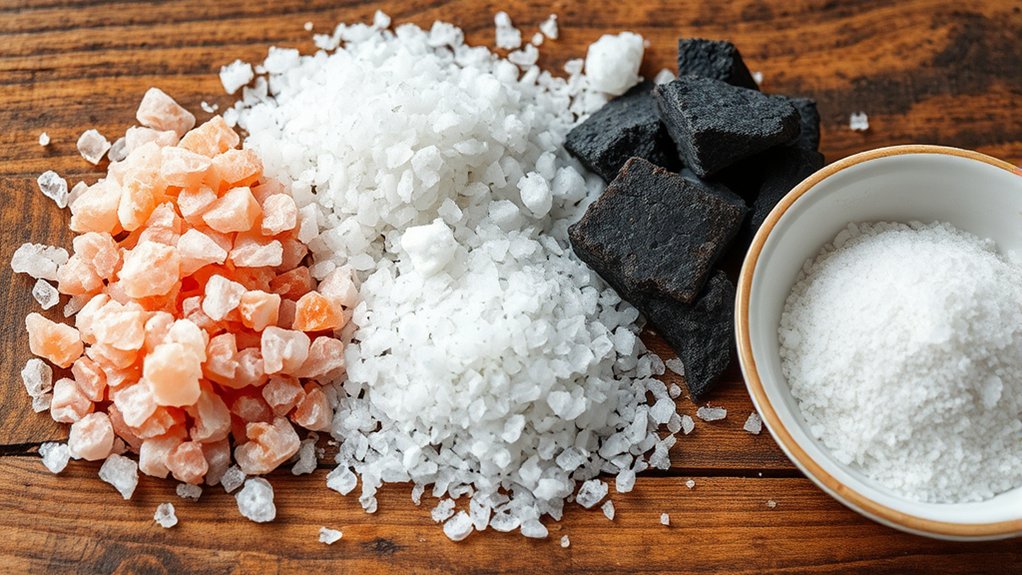
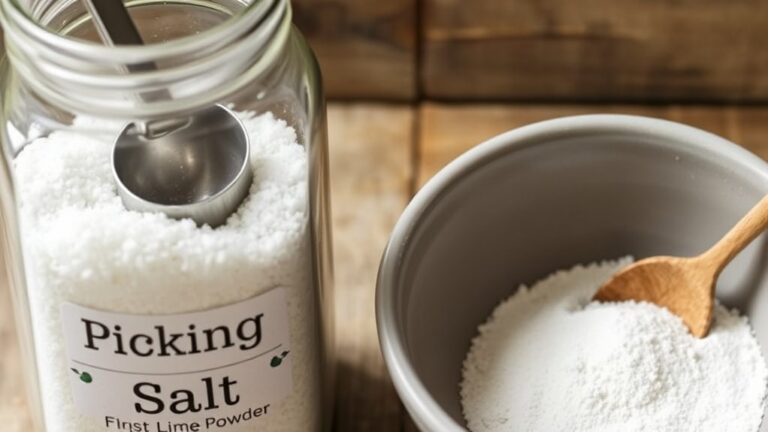
How do you choose the right salt for cooking? First, think about the flavor profile you want. Some salts, like flaky sea salt, add a subtle crunch and mild brine that make finished dishes more interesting.
If you’re seasoning during cooking, kosher salt’s larger grains dissolve easily and spread out evenly. That makes it a popular choice for many home cooks.
Fine salts like table salt dissolve quickly and are great for baking or recipes that need precise measurements. Think about the texture you prefer—do you want a salt that melts instantly or one that gives a crunchy bite?
Also, consider where the salt comes from and its mineral content. Some salts have trace minerals that add extra flavor complexity.
In the end, choosing the right salt depends on what you’re cooking and your personal taste.
Table Salt: The Classic Kitchen Staple and Its Uses
Table salt is a common household ingredient that you probably keep in your kitchen. It’s super versatile and essential for cooking.
You can use it to season everything from soups to salads. It helps bring out the flavors and makes your dishes taste better.
Basically, salt is your go-to for quick, everyday meals and adds that perfect finishing touch.
Common Household Ingredient
Salt is a staple in every kitchen, valued not only for flavor but also for its practical uses around the house. You can use it to remove stains from cookware and freshen up your dishwasher by sprinkling salt on the filter.
It’s great for deodorizing cutting boards and eliminating odors from your hands after handling strong-smelling foods like garlic or fish. Salt also helps in unclogging minor drain blockages when combined with hot water.
For cleaning, mixing salt with vinegar creates a natural scrub for cleaning countertops and sinks. Furthermore, salt can be used to prevent ice from forming on walkways during winter.
Its versatility makes salt an essential household ingredient, extending its usefulness beyond just seasoning your food.
Versatile Cooking Essential
As a fundamental ingredient in the kitchen, salt improves flavor and balances seasoning in countless recipes. You’ll find it essential when cooking vegetables, meats, and grains, enhancing their natural flavors.
Salt also helps tenderize meats and brings out sweetness in baked goods. When boiling pasta or potatoes, adding salt increases their flavor and improves texture.
It’s versatile for both seasoning during cooking and finishing dishes at the table. You can also use salt to create brines for meats or to make simple pickles.
Its ability to heighten flavors makes it indispensable in everyday cooking. Whether you’re preparing a quick stir-fry or a slow-cooked stew, salt’s role as a reliable, multipurpose seasoning makes it a true kitchen staple.
Basic Seasoning Option
A staple in every kitchen, table salt is the most straightforward and reliable seasoning option. It’s your go-to for enhancing flavors without overpowering dishes.
Whether you’re boiling pasta, seasoning vegetables, or preparing meats, salt helps bring out natural tastes and balance sweetness or acidity. Its fine granules dissolve quickly, making it easy to control how much you add.
Salt’s versatility goes beyond cooking; it can be used for brining, preserving, or even cleaning surfaces. When choosing table salt, think about purity and grain size—finer grains spread evenly, while coarser types add texture.
Himalayan Pink Salt: Benefits, Flavor, and Best Ways to Use It
Himalayan pink salt stands out for its striking color and mineral content, making it a popular choice for chefs and health-conscious individuals alike. Its delicate, slightly mineral-rich flavor adds a subtle depth to dishes without overpowering them.
You can use it as a finishing salt to enhance the look and taste of salads, meats, and roasted vegetables. Its natural crystals lend a pleasing texture and a touch of elegance to any plate.
- Adds a visually appealing pink hue to your presentation
- Provides essential minerals like magnesium, potassium, and calcium
- Offers a mild, nuanced flavor that complements a variety of cuisines
Incorporating Himalayan pink salt into your cooking boosts both flavor and aesthetic appeal. It’s a versatile and healthful choice for your kitchen.
Sea Salts: Varieties and How They Enhance Your Dishes
Sea salts come in a variety of textures and flavors, each adding a unique touch to your dishes. Their mineral-rich profiles can elevate everything from roasted vegetables to seafood.
Understanding these differences helps you pick the perfect sea salt for your culinary creations. Whether you want a subtle crunch or a burst of flavor, there’s a sea salt for every dish.
Varieties of Sea Salt
When exploring the world of sea salts, you’ll find a diverse range of varieties, each offering unique flavors and textures that can elevate your dishes. These salts differ in mineral content, crystal structure, and harvesting methods, giving you different culinary experiences.
For example, you might come across flaky salts that add a satisfying crunch, moist salts with richer mineral profiles, or finely ground options perfect for seasoning. Each variety brings its own character to your cooking.
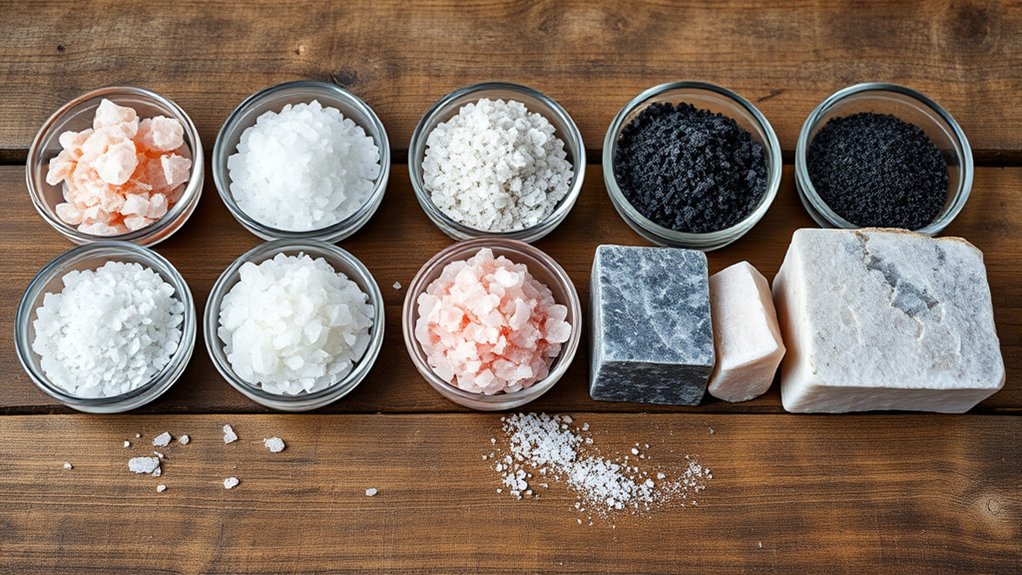
Fleur de Sel has delicate, flaky crystals that melt quickly, making it ideal for finishing dishes. Himalayan Sea Salt is pink-hued and mineral-rich, with a subtle crunch. Sel Gris is moist and gray, offering a mild flavor great for seasoning meats and vegetables.
Flavor Enhancements
Different varieties of sea salt can really boost your dishes by adding unique flavors and textures. For example, flaky finishing salts like fleur de sel bring a delicate crunch and subtle mineral notes, making salads or roasted vegetables stand out.
Himalayan pink salt offers a mild, earthy taste that can enhance meats and grains without overpowering other flavors. Coarse sea salts give a satisfying crunch and can intensify the flavor of grilled foods or roasted dishes.
Fine sea salts dissolve quickly, making them perfect for seasoning during cooking or at the table. Each type’s mineral content and grain size affect how they interact with your ingredients, helping you craft more nuanced and flavorful dishes.
Choosing the right sea salt can truly transform simple recipes into memorable culinary experiences.
Culinary Uses
Choosing the right salt can really boost your cooking, as each type interacts differently with ingredients. Sea salts, in particular, add unique textures and flavors that can elevate your dishes.
Fine sea salts dissolve quickly, making them great for seasoning during cooking or at the table. Coarse sea salts give a nice crunch, perfect for finishing steaks or salads.
Flavored sea salts, infused with herbs or spices, add complex layers of taste that pair well with seafood, roasted vegetables, or grilled meats. For example, sprinkling flaky sea salt on baked bread adds a satisfying crunch.
Using coarse sea salt on grilled steaks improves both texture and flavor. Incorporating flavored salts into dressings or marinades deepens the overall taste profile.
Specialty Salts: Different Types and How to Incorporate Them
Specialty salts bring unique flavors and textures that can elevate your dishes beyond basic seasoning. They add visual appeal and distinct tastes, making your meals more memorable.
For example, flaky sea salt offers a crisp crunch, perfect for finishing dishes, while smoked salts give a subtle smoky aroma. Incorporating these salts is simple: just sprinkle them sparingly on salads, meats, or desserts to boost flavors.
Here’s a quick comparison:
| Salt Type | Best Use |
|---|---|
| Himalayan Pink | Finishing touches and visual appeal |
| Flake Salt | Adds texture and works well as a finishing salt |
| Smoked Salt | Great for grilled meats and roasted veggies |
| Fleur de Sel | Elegant finishing touch |
| Himalayan Black | Adds a unique flavor to gourmet dishes |
Try experimenting with these salts to add depth and sophistication to your cooking.
Comparing Mineral Content and Health Benefits of Popular Salts
While specialty salts add unique flavors and textures, understanding their mineral content and health benefits can help you make smarter choices. For example, unrefined salts like sea salt and Himalayan pink salt contain trace minerals such as magnesium, potassium, and calcium that may support your overall health.
These minerals can contribute to hydration, muscle function, and bone strength. In contrast, refined table salt mainly provides sodium chloride without extra nutrients. Choosing salts with higher mineral content can promote better mineral intake, but moderation is still important.
Sea salt has a balanced mineral profile with trace elements that support hydration. Himalayan pink salt contains minerals that may help with detoxification and maintaining electrolyte balance. Refined table salt is primarily sodium chloride and offers fewer health benefits.
Tips for Storing Salt to Keep It Fresh and Flavorful
Proper storage is key to keeping your salt fresh and flavorful. To prevent clumping and preserve quality, store salt in an airtight container away from moisture.
Keep it in a cool, dry place like a pantry or cupboard, and avoid areas with humidity or heat, such as near the stove or dishwasher. Make sure the container has a tight-fitting lid to block out air and dampness.
If you buy salt in larger quantities, consider dividing it into smaller jars for easier use. Avoid exposing salt to direct sunlight, which can affect its texture and flavor over time.
Regularly check your storage area for any signs of moisture or pests, and reseal the container tightly after each use. Properly stored salt stays fresher longer and maintains its best flavor.
Frequently Asked Questions
Are There Any Health Risks Associated With Consuming Different Types of Salt?
Yes, consuming different types of salt can pose health risks. Too much salt, no matter what kind, can lead to high blood pressure, heart problems, and kidney issues.
Some salts, like refined table salt, have additives that might affect your health. Natural salts like sea salt or Himalayan pink salt may have trace minerals, but eating too much of any salt still isn’t good.
The key is moderation. Keeping your salt intake in check helps reduce the risk of health problems.
How Does the Mineral Content Vary Among Various Salt Types?
A little knowledge is a dangerous thing, so understanding mineral content helps you make smarter choices. Different salts vary in minerals. For example, sea salt retains trace elements like magnesium and calcium, while refined table salt is mostly sodium chloride without extras.
Himalayan pink salt contains iron oxide, which gives it a pink hue. Celtic sea salt has higher magnesium levels. These variations affect flavor, texture, and nutritional value, guiding your selection.
Can Salt Type Affect the Cooking Process or Final Flavor?
Yes, the salt type can influence both the cooking process and final flavor. Fine salts dissolve quickly, making them great for seasoning during cooking. Coarse salts, on the other hand, add texture and a burst of flavor when used as finishing salts.
Mineral-rich salts like sea or Himalayan salt can give subtle flavor enhancements to dishes. Choosing the right salt depends on the texture, flavor, and cooking method you’re using.
Is There a Recommended Daily Intake for Different Salts?
You should aim for about 2,300 milligrams of sodium daily, which is roughly one teaspoon of salt.
But keep in mind, the recommended intake can vary depending on your age, health, and activity level.
For example, older adults or those with hypertension should consume less.
Always check labels and consider natural sources of sodium in your diet.
Moderation is key to maintaining a healthy balance and avoiding health issues related to too much salt.
Which Salts Are Best for Specific Dietary Needs or Restrictions?
Think of salts as tailored suits—each fits a specific need. For low-sodium diets, try potassium salt substitutes to cut down on sodium without losing flavor.
Sea salt is great if you’re after natural minerals, while Himalayan salt provides trace elements that can be good for overall health. If you’re dealing with iodine deficiency, iodized salt is your best choice.
Pick the salt that matches your dietary needs to support your health goals effectively.
Conclusion
Choosing the right salt can elevate your cooking from bland to brilliant. Whether you prefer classic table salt, the nuanced flavors of sea salts, or the mineral-rich Himalayan pink salt, knowing their unique qualities helps you make better choices.
Remember, a wise cook knows that sometimes, the simplest ingredients make the biggest difference. With the right salt in your pantry, you’re all set to turn every meal into a masterpiece.