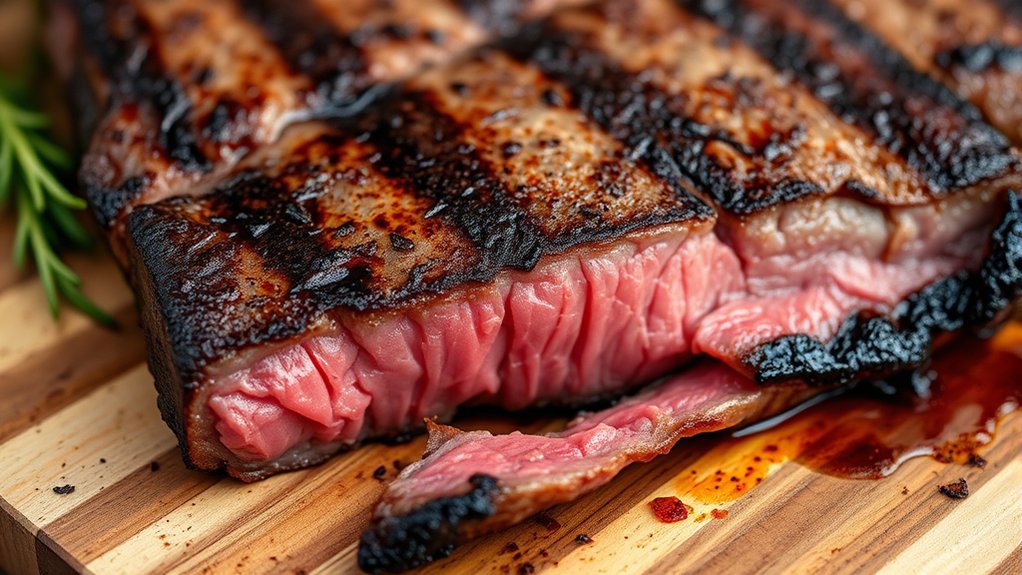
What Is Beef Loin Flap Meat Steak and How to Cook It
Many home cooks struggle to find affordable, flavorful cuts of meat that cook quickly and turn out juicy every time.
If you’re looking to elevate your grilling game without breaking the bank, beef loin flap meat might just be the answer.
Beef loin flap meat, also known as flap steak, comes from the bottom part of the sirloin near the hip. It’s a flavorful, affordable cut with a dense, beefy texture perfect for quick cooking methods like grilling or pan-searing.
To get the best results, select fresh, well-marbled meat, season or marinate it, and cook quickly at high heat to medium-rare.
Rest your meat before slicing to guarantee juiciness—continue on to uncover expert tips for perfect results.
Key Takeaways
- Beef loin flap meat, also called flap steak, comes from the bottom part of the sirloin near the hip. It has a dense, beefy texture that’s really satisfying.
- It’s known for its rich flavor and natural marbling. Plus, it’s usually more affordable than premium cuts like ribeye or sirloin.
- The best way to cook flap steak is quickly with high heat. Think grilling, pan-searing, or broiling — these methods help keep it tender and flavorful.
- After cooking, let the meat rest for 5-10 minutes. This helps lock in the juices and makes it easier to slice.
- Serve it with simple sides and bold drinks like red wine or craft beer. They really bring out its hearty flavor.
What Is Beef Loin Flap Meat Steak and Where Does It Come From?
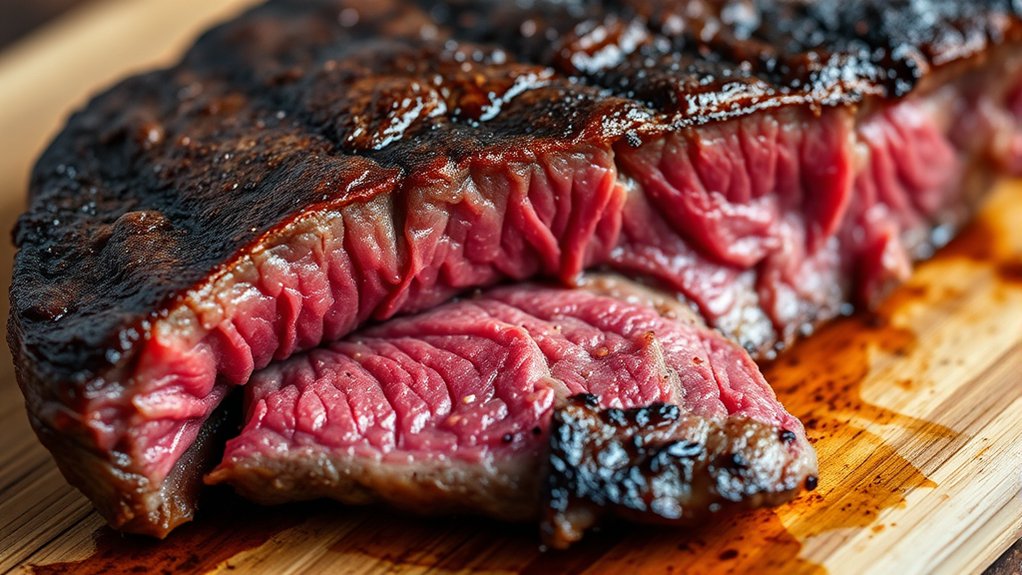
Beef loin flap meat steak is a flavorful cut that comes from the sirloin area of the cow. Specifically, it’s cut from the bottom part of the sirloin, near the hip.
This muscle gets a lot of exercise, which results in a dense, beefy texture. Unlike more tender cuts, the flap meat has a rich, hearty flavor that really stands out.
A well-exercised muscle with a dense, beefy texture and bold, hearty flavor that truly stands out.
Its loose grain and thin profile make it perfect for quick cooking methods like grilling or pan-searing. You’ll often see this cut labeled as “flap steak” or “sirloin flap.”
It’s popular in dishes that call for bold flavors. Because it’s relatively affordable and versatile, it’s a favorite for those who want a tasty, satisfying beef meal.
Why Try Beef Loin Flap Meat? Benefits and Flavor Profile
Choosing beef loin flap meat offers a unique combination of flavor, affordability, and versatility that sets it apart from other cuts. Its rich, beefy taste makes it perfect for grilling, stir-frying, or frying, giving you a juicy, satisfying bite.
The meat’s natural marbling adds great flavor and tenderness, especially when cooked quickly at high heat. Plus, it’s usually more budget-friendly than premium cuts like sirloin or ribeye, making it a smart choice for cost-conscious cooks.
Its bold flavor pairs well with a wide range of seasonings and marinades, so you can easily customize each dish. Whether you’re making a quick weeknight meal or a tasty barbecue, beef loin flap meat strikes a good balance of taste, texture, and affordability.
How to Select the Best Beef Loin Flap Meat at the Market
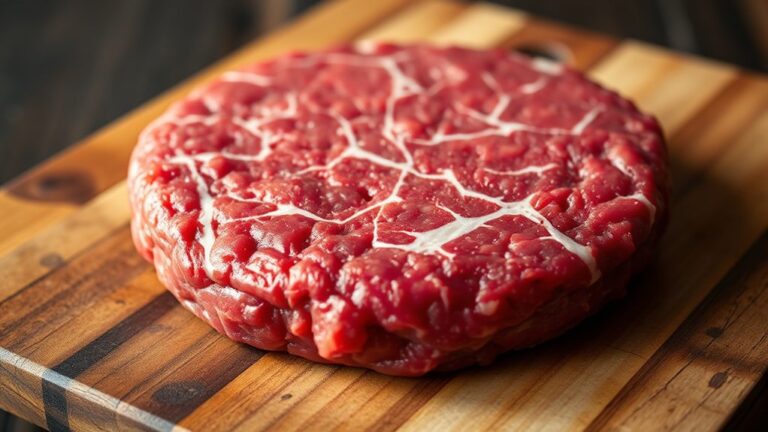
To select the best beef loin flap meat at the market, start by inspecting the color and texture. Look for meat that has a bright, cherry-red hue, which shows it’s fresh. Avoid meat that looks dull, brown, or has discoloration.
Choose bright, cherry-red beef loin flap for freshness and quality.
The texture should be firm and slightly moist. It shouldn’t be slimy or sticky. Gently press the meat—if it springs back quickly, it’s fresh and well-marbled.
Check for visible fat marbling throughout the meat because this adds flavor and tenderness. Stay away from meat with excessive dark spots or dried edges.
Trust your nose too. Fresh beef should have a clean, beefy smell without any sour or off-putting odors. Choosing high-quality, fresh meat will make your steak flavorful and tender.
Preparing Beef Loin Flap Meat for Cooking: Tips & Tricks
To prepare beef loin flap meat for cooking, start by choosing the freshest, well-marbled cuts for the best flavor and tenderness.
Use proper preparation techniques like marinating or tenderizing to improve texture and juiciness.
With these tips, you’ll set yourself up for a perfectly cooked, flavorful steak.
Proper Meat Selection
Since the quality of your beef loin flap meat directly impacts the flavor and tenderness of your steak, it’s essential to select the right cut. Look for meat with a vibrant, cherry-red color and minimal surface moisture. Avoid cuts that appear dull, grayish, or have excess wetness, as these may indicate age or poor storage.
Check the marbling—thin streaks of fat throughout the meat—as this improves flavor and juiciness. Freshness is key, so opt for meat with a clean, beefy aroma. If possible, buy from a trusted butcher or supplier who can confirm the meat’s quality and cut.
Properly selected beef will guarantee your steak cooks evenly, stays tender, and bursts with rich, satisfying flavor.
Optimal Preparation Techniques
After selecting high-quality beef loin flap meat, the next step is preparing it properly for cooking. To get the best results, follow these tips:
- Trim excess fat and silver skin to prevent chewy bites.
- Marinate for 30 minutes to 2 hours to boost flavor and tenderness.
- Pound the meat gently to even out thickness, ensuring it cooks uniformly.
- Pat dry with paper towels before cooking to promote a good sear.
These steps help maximize flavor, tenderness, and even cooking. Proper preparation minimizes tough spots and enhances the meat’s natural juiciness. Keep it simple but thorough for a delicious, perfectly cooked steak.
How to Grill Beef Loin Flap Meat for Perfect Results
Grilling beef loin flap meat to perfection starts with proper preparation. First, pat the meat dry and season it generously with salt, pepper, or your favorite marinade.
Preheat your grill to high heat, around 400-450°F, to sear the meat quickly and lock in juices. Cook for about 3-4 minutes per side for medium-rare, flipping only once.
Use a meat thermometer to guarantee ideal doneness—130°F for medium-rare. Rest the steak for 5 minutes before slicing against the grain to maximize tenderness.
| Key Step | Purpose |
|---|---|
| High heat | Achieves a perfect sear |
| Resting period | Guarantees juicy, tender meat |
| Proper seasoning | Improves flavor |
| Accurate timing | Prevents overcooking |
| Slicing against grain | Boosts tenderness |
Pan-Searing Beef Loin Flap Meat: Step-by-Step Guide
Pan-searing beef loin flap meat creates a flavorful crust while keeping the interior tender. To get perfect results, follow these steps:
- Pat the meat dry with paper towels to remove excess moisture.
- Season generously with salt and pepper or your favorite spices.
- Heat a skillet over medium-high heat until hot, then add a high-smoke point oil like canola or avocado oil.
- Place the meat in the skillet and don’t move it around. Sear for 2-3 minutes per side until a deep brown crust forms.
Once seared, reduce the heat to medium and cook for another 2-4 minutes depending on your desired doneness. Rest the meat for a few minutes before slicing to preserve juices.
Alternative Ways to Cook Beef Loin Flap Meat: Broiling, Stir-Frying, and More
Investigate alternative methods to cook beef loin flap meat that can suit different tastes and kitchen setups. Broiling is a quick, high-heat option that gives you a crispy exterior while keeping the inside tender. Simply place the meat on a broiler pan, season it, and cook for a few minutes on each side.
Stir-frying offers a fast, flavorful way to prepare the meat, especially if you cut it into thin strips. Heat a wok or large skillet, add oil, and toss the meat with vegetables and sauce for a delicious meal.
You can also grill, pan-fry, or even slow-cook the meat for different textures and flavors. These methods give you versatile options to enjoy beef loin flap meat beyond pan-searing.
How to Tell When Beef Loin Flap Meat Is Done and Rest It Properly
You can tell when your beef loin flap meat is done by checking its color and texture. It should feel firm to the touch but not mushy.
Using a meat thermometer is a great way to make sure it reaches the right internal temperature for safety and juiciness.
Don’t forget to let the meat rest for a few minutes before slicing. This helps keep it tender and full of flavor.
Visual and Touch Indicators
To tell when beef loin flap meat is perfectly cooked, rely on visual cues and touch rather than just time. First, look at the color: it should be browned on the outside and slightly pink inside for medium rare.
Next, gently press the meat with your finger. If it feels soft, it’s rare; if it’s firm, it’s well done. You can also check the juices—clear juices mean it’s cooked through, while pink or red juices suggest it’s rare.
Finally, use the touch test to gauge firmness: soft and squishy means rare, slightly resistant indicates medium rare, firm but yielding is medium, and very firm with little give is well done.
Use these signs to make sure your meat is perfectly cooked without overdoing it.
Rest Time Importance
Even when your beef loin flap meat looks perfectly cooked on the outside, letting it rest is key for the best texture and juiciness. Resting helps the juices spread out through the meat, so they don’t spill out when you cut into it.
If you cut too early, your steak can turn out dry and tough. For this size of steak, aim for about 5 to 10 minutes of rest. During this time, loosely cover the meat with aluminum foil to keep it warm.
Use a meat thermometer to check for your desired doneness before resting. Properly rested beef will be tender, juicy, and flavorful, making every bite more enjoyable.
Don’t rush this step. It’s really important for a perfect steak.
Common Mistakes When Cooking Beef Loin Flap Meat and How to Avoid Them
One common mistake when cooking beef loin flap meat is overcooking it, which can make it dry and tough. To avoid this, keep these tips in mind.
Don’t cook it beyond medium rare; overcooking can break down the meat’s tenderness. Use high heat for searing, then finish with a quick cook or let it rest to keep it moist.
Avoid piercing the meat with a fork, as this releases juices and dries it out. After cooking, let the meat rest so the juices can redistribute, keeping it juicy and tender.
Serving Ideas and Pairings for Beef Loin Flap Meat
When serving beef loin flap meat, consider pairing it with flavorful side dishes like roasted vegetables or mashed potatoes to elevate its richness.
Choose beverages such as bold red wines or craft beers that complement the meat’s hearty taste.
Get creative with your plating by trying different serving styles, from slicing thin for tacos to presenting it as a main course.
Complementary Side Dishes
Pairing beef loin flap meat with the right side dishes can really boost your meal and bring out its rich, beefy flavor. To make a balanced plate, consider these options:
- Roasted vegetables like carrots, Brussels sprouts, or asparagus add sweetness and some nice texture contrast.
- Creamy mashed potatoes or garlic mashed cauliflower offer a smooth, savory base.
- A fresh green salad with vinaigrette brings acidity and crunch.
- Grilled corn on the cob or seasoned rice can complement the smoky, hearty notes of the meat.
Choose sides that either contrast or complement the beef’s flavor without overpowering it. Keep your sides simple so the meat can shine, and aim for a mix of textures and flavors to make the meal more enjoyable.
Ideal Beverage Pairings
Choosing the right beverage to serve with beef loin flap meat can really elevate your meal and highlight its rich, savory flavors.
For red wines, go for a bold Cabernet Sauvignon or a smooth Malbec, which can stand up to the meat’s richness.
If you prefer lighter drinks, a crisp Pinot Noir is a great choice because it complements the beef without overpowering it.
Beer lovers might enjoy a malty, full-bodied stout or a hoppy IPA to balance the savory notes.
For non-alcoholic options, try a rich cherry or pomegranate juice, or a sparkling water infused with citrus to refresh your palate.
Whatever you choose, aim for a beverage that enhances the flavors without overwhelming the meat’s natural richness.
Creative Serving Styles
Transforming beef loin flap meat into a memorable dish is all about experimenting with creative serving styles that showcase its versatility. You can really boost your presentation and flavor by trying these ideas:
Slice it thin for tacos, topped with fresh salsa and avocado for a vibrant street-style meal. It’s quick, tasty, and perfect for a casual get-together.
Serve it as a stir-fry with colorful vegetables and a savory sauce for a fast, satisfying dish that’s hard to beat. It’s a great way to pack in flavor and nutrients.
Grill the meat whole, then carve it and serve with chimichurri or a tangy sauce for a bold, flavorful experience. It’s perfect for impressing guests or a special dinner.
Create a hearty sandwich with caramelized onions, melted cheese, and crusty bread for a casual yet delicious option. It’s a comforting choice that everyone will enjoy.
Each style lets you enjoy the meat’s tenderness and rich flavor in fun and appealing ways.
How to Store and Reuse Leftover Beef Loin Flap Meat
To keep your leftover beef loin flap meat fresh and flavorful, it’s important to store it properly. First, let it cool to room temperature, then transfer it to an airtight container or wrap it tightly in aluminum foil or plastic wrap.
Store it in the refrigerator if you plan to use it within 3 to 4 days. For longer storage, place it in a freezer-safe bag or container and freeze for up to 3 months.
When you’re ready to reuse it, thaw the meat in the refrigerator overnight. Avoid the microwave to prevent uneven heating. Reheat gently using a skillet or oven to keep it tender.
Leftover beef loin flap meat can be sliced for sandwiches, added to salads, or tossed into stir-fries for quick, tasty meals.
Final Tips for Deliciously Preparing Beef Loin Flap Meat
For the best results, start with high-quality beef loin flap meat that’s fresh and well-marbled. This will help ensure maximum tenderness and flavor. Keep these tips in mind to improve your dish:
- Marinate briefly: Use acidic ingredients like lime juice or vinegar to boost tenderness and flavor.
- Cook quickly: Sear over high heat for 2-3 minutes per side to prevent overcooking and keep it juicy.
- Rest before slicing: Let the meat rest for 5 minutes after cooking to help it retain juices.
- Slice against the grain: Cut perpendicular to the muscle fibers for maximum tenderness.
Following these tips will guarantee a flavorful, tender steak every time.
Frequently Asked Questions
Can Beef Loin Flap Meat Be Used for Slow Cooking?
Yes, you can use beef loin flap meat for slow cooking. Its tender texture benefits from slow, moist heat, which breaks down connective tissues and enhances flavor.
You might want to cut it into smaller pieces and cook it with flavorful liquids like broth or sauce. Keep the heat low and cook for several hours to get a tender, juicy result.
This makes it perfect for stews or shredded dishes.
Is Beef Loin Flap Meat Suitable for Marinating?
Yes, beef loin flap meat is suitable for marinating. You should soak it in a marinade for at least a few hours or overnight to improve flavor and tenderness.
Its thin, flexible texture absorbs flavors well, making it perfect for dishes like stir-fries or grilled cuts. Just make sure you use a flavorful marinade and refrigerate it while marinating to keep it safe and delicious.
How Does Beef Loin Flap Compare to Other Steak Cuts?
Think of beef loin flap as a versatile actor in your kitchen, ready to shine against more glamorous cuts. Compared to prime rib or tenderloin, it’s leaner with a slightly chewy texture but rich flavor.
Its affordability makes it a favorite for stir-fries and fajitas. You’ll appreciate its adaptability, giving you bold, satisfying bites that stand up well to marinades and quick cooking methods.
What Are the Nutritional Benefits of Beef Loin Flap Meat?
You’ll get high-quality protein, iron, and zinc from beef loin flap meat, which support muscle growth, energy, and immune health. It’s relatively lean, so it provides these nutrients without excessive fat.
Plus, it offers B vitamins that boost your metabolism and overall energy. Eating it in moderation helps you enjoy these benefits while maintaining a balanced diet.
It’s a tasty, nutrient-rich choice for your meals.
Can Beef Loin Flap Meat Be Smoked or Used in Barbecue?
Yes, you can smoke or use beef loin flap meat in barbecue. Its rich flavor and tender texture make it perfect for slow-smoking, which enhances its beefy taste and results in a juicy, flavorful bite.
Just make sure to marinate or season it well, then cook it low and slow over indirect heat. This method helps break down connective tissues and makes the meat tender and delicious.
The smoked beef loin flap is great for sandwiches or served sliced, making it a versatile option for your barbecue.
Conclusion
Cooking beef loin flap meat can be a game-changer thanks to its rich flavor and versatility. With the right selection and techniques, you’ll enjoy tender, delicious steaks every time.
Did you know that flank steak, similar to flap meat, is often marinated for 24 hours to boost tenderness? This tip works well with beef loin flap meat too, making your steaks even more flavorful.
Keep these tips in mind, and you’ll master this flavorful cut—making your meals impressive and satisfying. Happy grilling!