How to Choose Celtic Salt vs Sea Salt
Are you overwhelmed by the endless options when it comes to seasoning your dishes? You’re not alone—many people struggle with choosing the right salt for their cooking and health goals.
Celtic salt and sea salt are two popular choices, but which one is best for you?
To choose between Celtic salt and sea salt, consider your flavor preference and health goals.
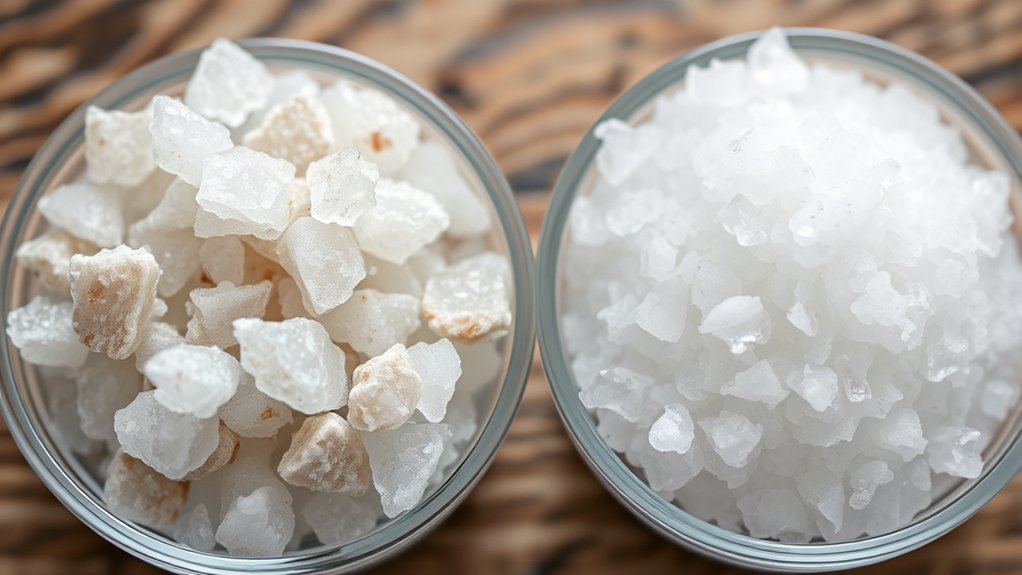
Celtic salt has a moist texture and a rich mineral profile, making it great for finishing dishes or salads.
Sea salt is drier, coarser, and versatile for cooking or seasoning meats.
Both retain beneficial minerals, but Celtic salt’s unique processing improves flavor and nutritional value.
If you want to learn more about their uses and benefits, keep exploring the details.
Key Takeaways
- Consider mineral content. Celtic salt tends to retain more trace minerals, while sea salt can vary depending on how it’s processed and where it comes from.
- Think about the texture and grind. Celtic salt is usually finer and moist, making it great for sprinkling. Sea salt is often coarser and crunchy, which can add a nice texture to dishes.
- Use Celtic salt for finishing dishes and salads. It helps enhance flavor without overpowering the other ingredients.
- For cooking, brining, or adding a crunchy topping to baked goods, sea salt is a good choice.
- Always look for unrefined, minimally processed salts. They help you get the most mineral benefits and enjoy natural flavor.
What Are Celtic Salt and Sea Salt?
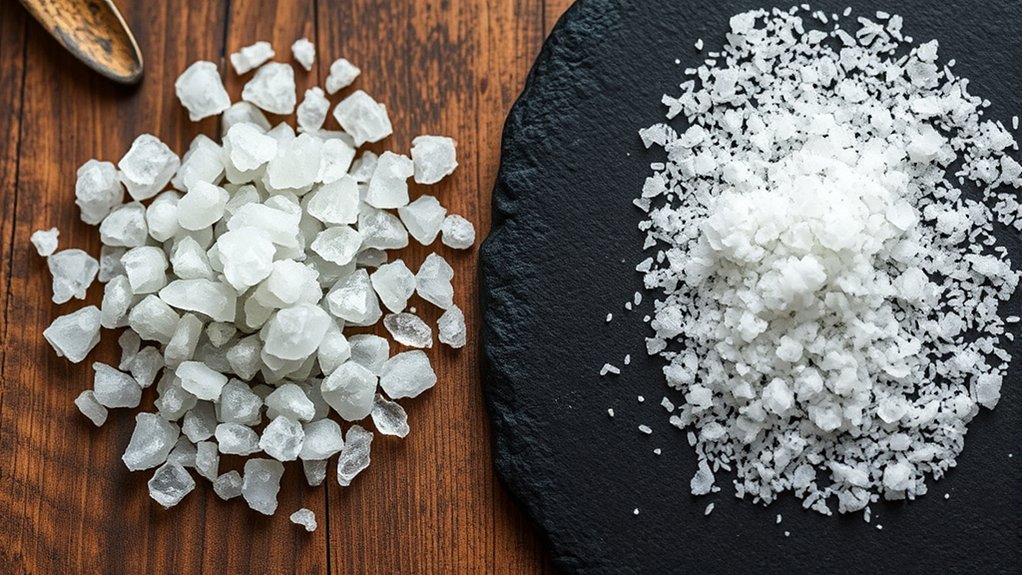
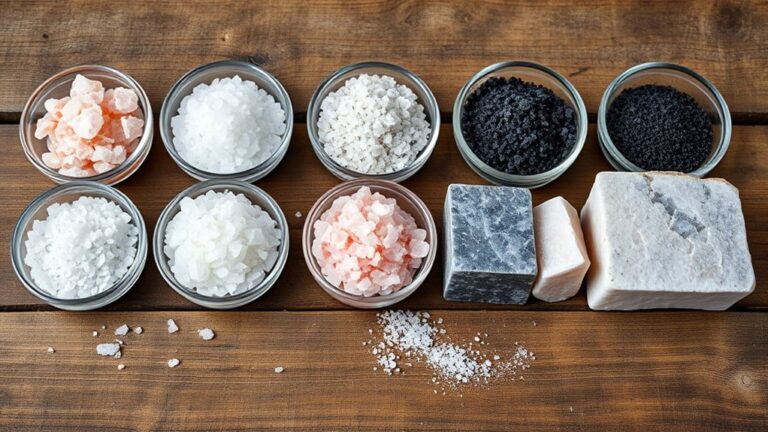
Celtic salt and sea salt are both natural salts harvested from ocean water, but they differ in processing and mineral content. Celtic salt is traditionally collected from coastal wetlands in Brittany, France, using minimal processing.
Celtic and sea salt are natural, minimally processed salts with distinct textures and mineral profiles, enriching flavor and nutrition.
It retains a moist texture and a rich mineral profile, including magnesium, calcium, and potassium. Sea salt, on the other hand, is produced by evaporating seawater through various methods, often resulting in a dry, coarse or fine crystalline salt.
It generally has fewer minerals than Celtic salt, but the mineral composition depends on the water source and harvesting process. Both salts are minimally refined, making them popular choices for those seeking natural, unprocessed seasonings.
Their differences influence flavor, texture, and mineral richness.
How Do Processing Methods Affect Salt Flavor and Quality?
Processing methods greatly influence the flavor and quality of salt you enjoy. Refinement removes minerals and impurities, often dulling the natural taste.
Minimal processing preserves these elements, which helps enhance flavor. Variations in mineral content lead to noticeable differences in flavor profiles.
Some salts become richer or more nuanced than others because of these differences.
Impact of Refinement Processes
The way salt is refined greatly impacts its flavor, texture, and overall quality. During processing, the methods used can strip away natural minerals and introduce chemicals that alter taste. Refinement often involves bleaching and adding anti-caking agents, which can dull the salt’s natural flavor.
Less refined salts like Celtic or sea salt keep more of their original qualities, offering richer, more complex tastes. On the other hand, highly refined salts tend to be duller and more uniform in appearance and flavor.
Refined salt retains natural minerals, which enhances flavor complexity. However, it also uses chemical additives that can affect purity. The processes of washing and drying can change the texture of the salt.
Refinement removes impurities and trace elements, influencing both color and moisture content. Overall, the level of refinement plays a big role in the final taste and quality of the salt.
Mineral Content Variations
Mineral content variations in salt are directly influenced by how it’s processed, shaping both flavor and nutritional value. When salt undergoes extensive refining, many natural minerals are removed, leaving mostly pure sodium chloride. This results in a neutral taste with little nutritional benefit.
In contrast, less processed salts like Celtic or sea salt retain a broader spectrum of trace minerals such as magnesium, potassium, and calcium. These minerals add subtle flavors and may offer health benefits.
The processing methods determine the mineral profile: natural evaporation preserves minerals better, while industrial refining strips them away. As a result, unrefined salts tend to have richer, more complex flavors and higher nutritional value.
If mineral content is a priority in your diet, unrefined salts are generally the better choice.
Flavor Profile Differences
How salt is handled during processing really affects its flavor and overall quality. Celtic salt, harvested using traditional methods, keeps more natural minerals, giving it a complex, mild sweetness with subtle mineral notes.
Sea salt, depending on how it’s processed, can taste sharper and more intense, often with a saltier flavor. The level of refinement makes a big difference in its flavor profile.
Minimal processing helps preserve natural flavors and minerals. Refining removes impurities, resulting in a cleaner but less complex taste. Additives like anti-caking agents can also dull the flavor.
The evaporation method influences the salt’s mineral balance, while crushing or grinding impacts its texture and how strong the flavor feels.
Knowing these differences helps you pick the right salt to match your culinary needs.
Mineral Content in Celtic Salt vs. Sea Salt: What You Need to Know
Are you curious about the mineral differences between Celtic salt and sea salt? Both have trace minerals, but their amounts and types differ.
Celtic salt is known for its higher mineral content, especially magnesium and calcium, which can be good for your health. Sea salt, on the other hand, usually has fewer minerals but still provides essential trace elements.
| Mineral | Celtic Salt | Sea Salt |
|---|---|---|
| Magnesium | Higher | Lower |
| Calcium | Higher | Moderate |
| Trace Elements | Richer | Less abundant |
These minerals add flavor and may offer health benefits, making Celtic salt a popular choice for those looking to get more minerals.
Which Salt Is Better for Your Health?
You might wonder which salt is healthier for you, especially considering mineral content and blood pressure effects.
Celtic salt usually contains more minerals, but sea salt’s sodium levels can affect your blood pressure differently.
Understanding these differences can help you make a better choice for your health.
Mineral Content Differences
When comparing Celtic salt and sea salt, their mineral content is key in figuring out which might be better for your health. Celtic salt usually has higher levels of essential minerals like magnesium, calcium, and potassium, which help support your body’s functions.
Sea salt, on the other hand, has a slightly lower mineral concentration but still provides important trace elements. The mineral profile affects both the flavor and the nutritional value of the salt.
Keep in mind that Celtic salt has more magnesium, which is good for muscle and nerve function. Sea salt contains trace minerals like zinc and iron that are also beneficial.
Both types of salt provide sodium, but Celtic salt’s mineral mix might help in balancing electrolytes better. Having a variety of minerals can support hydration and help replenish what your body needs.
Impact on Blood Pressure
Mineral content influences more than just flavor; it also impacts blood pressure regulation. Celtic salt usually has higher levels of magnesium and potassium, which can help lower blood pressure by relaxing blood vessels.
Sea salt often has a similar mineral profile but in different amounts, depending on where it’s sourced. Both salts contain sodium, which can raise blood pressure if you eat too much.
Choosing a salt with a balanced mineral profile might support healthier blood pressure levels. Celtic salt’s richer minerals could offer a slight advantage for heart health.
However, no matter the type, moderation is key. Cutting back on sodium overall and eating plenty of fruits and vegetables is the best way to keep blood pressure in check.
Best Uses for Celtic Salt Versus Sea Salt
Wondering which salt is best for your dishes? Celtic salt and sea salt each have unique qualities that suit different culinary needs. Celtic salt’s moist, mineral-rich texture makes it perfect for finishing dishes or gently sprinkling over salads and grilled vegetables.
Sea salt’s coarse grains give a satisfying crunch, making it great for seasoning meats or adding texture to baked goods. Use Celtic salt in marinades or as a finishing touch to enhance flavor without overpowering.
Sea salt works well in rubs or when you want a bold, crunchy topping. Both salts can elevate your cooking, but choosing the right one depends on the texture and flavor profile you’re after.
- Finishing salads and vegetables
- Seasoning grilled meats
- Improving baked goods
- Adding crunch to snacks
- Marinating proteins
How to Choose the Right Salt for Your Cooking and Wellness Goals
Are you unsure which salt best aligns with your cooking style and wellness goals? Start by considering what matters most to you.
If you want a mineral-rich salt with a subtle flavor, Celtic salt might be your best choice, especially for finishing dishes or adding to salads. It’s less processed and keeps more nutrients.
Sea salt often has larger crystals and a stronger flavor, making it great for seasoning during cooking or for brining. Think about how you cook and what health benefits you’re after.
If reducing processed ingredients is your focus, unrefined salts like Celtic or high-quality sea salt can support your wellness.
Ultimately, match the salt’s texture and flavor to your culinary needs while keeping your dietary preferences in mind.
Frequently Asked Questions
Can Celtic or Sea Salt Be Used Interchangeably in Recipes?
Yes, you can generally use Celtic and sea salt interchangeably in recipes. They both add flavor and saltiness, but Celtic salt has a slightly moister texture and a more mineral-rich taste.
Sea salt can vary in coarseness and mineral content. When substituting, think about the texture and flavor profile you prefer.
Adjust measurements if needed to get the taste and consistency you want in your dish.
How Does Salt Harvesting Impact Environmental Sustainability?
Salt harvesting can impact environmental sustainability quite a bit. When done responsibly, it helps reduce harm to ecosystems and conserves water.
Traditional methods like solar evaporation usually have a smaller environmental footprint, but industrial harvesting can disrupt habitats and cause pollution.
As a consumer, you can support eco-friendly practices by choosing salts from producers who prioritize sustainability. This helps reduce environmental damage and promotes healthier ecosystems.
Are There Any Allergies Related to Celtic or Sea Salt?
You might be worried about allergies to Celtic or sea salt, but they’re usually safe for most people. Rarely, some folks could get skin irritation or breathing problems if they’re sensitive to certain minerals or contaminants.
To keep things safe, pick high-quality, unrefined salts from trusted sources. If you notice any negative reactions, it’s a good idea to talk to a healthcare professional to see if you should avoid these salts altogether.
Does the Mineral Content Affect the Salt’s Shelf Life?
Yes, the mineral content can influence the salt’s shelf life. Higher mineral levels may cause the salt to clump or degrade faster if exposed to moisture or air.
Celtic and sea salts, which are rich in minerals, need proper storage in airtight containers and away from humidity to stay fresh. Keeping them dry and sealed helps prevent spoilage.
Which Salt Has a Stronger Taste—Celtic or Sea Salt?
Celtic salt tends to have a stronger, more mineral-rich taste compared to sea salt. Its moist, coarse texture and high mineral content give it a distinctive, robust flavor that can stand out in dishes.
Sea salt, on the other hand, often has a more subtle and delicate taste, making it versatile for everyday seasoning. If you prefer a bolder flavor, Celtic salt might be your better choice.
Conclusion
Choosing between Celtic salt and sea salt depends on your health goals and flavor preferences. Remember, “You are what you eat,” so pick the salt that best supports your wellness while enhancing your dishes.
Whether you prefer Celtic’s mineral-rich profile or the versatile qualities of sea salt, your choice should match your culinary and health priorities. Think about what matters most to you—taste, minerals, or versatility.
Trust your taste buds and your body. The best salt is the one that nourishes and delights you, whether it’s Celtic salt or sea salt. Pick what aligns with your wellness and flavor needs.