How to Tell if a Chicken Egg Is Fertile With a Step-By-Step Guide
If you’re raising chickens or just curious about your eggs, figuring out if an egg is fertile can feel tricky. Many people struggle with knowing how to tell if an egg is viable for hatching or simply a regular, unfertilized egg. Don’t worry—you’re not alone, and there are simple ways to check.
To tell if a chicken egg is fertile, start by inspecting it for the presence of a germinal disc, which appears as a small, cloudy spot on the yolk.
You can also candling the egg by shining a light through it in a dark room—fertile eggs show blood vessels or a developing embryo, while unfertilized ones look clear.
You can also perform a float test to assess freshness.
Keep exploring for detailed methods to accurately identify fertilized eggs.
Key Takeaways
- Look for a germinal disc on the yolk. This spot indicates the egg might be fertilized.
- You can do the candle test to check inside the egg for blood vessels or dark spots. Hold the egg up to a bright light source to see these details.
- The float test is helpful too. If the egg sinks and lies flat on its side, it’s more likely to be fertile.
- Make sure the egg is fresh. Fresh eggs have firm yolks and thick whites, which makes it easier to inspect.
- Keep an eye on your flock’s behavior and health. Regular mating and good health increase the chances of getting fertilized eggs.
How Do Chicken Eggs Get Fertilized?
Chickens become fertilized when a rooster mates with a hen, transferring sperm into her reproductive system. During copulation, the rooster mounts the hen, and sperm is released into her cloaca, which is the common opening for reproductive and waste elimination.
The sperm then travels through her oviduct, where fertilization happens if an egg is present. This can occur multiple times because the hen can store sperm in special glands called sperm storage tubules.
These tubules hold sperm for days or even weeks, allowing her to fertilize eggs over time without needing to mate again. As long as the sperm stays viable and is present, later eggs can be fertilized, leading to developing embryos if fertilization happens early in the egg formation process.
How Can You Tell If an Egg Is Fertilized?
You can tell if an egg is fertilized by looking at it with simple visual checks or doing a candle test. Visual inspection can sometimes show early signs, but the candle method gives a clearer view of the embryo’s development.
Both methods help you figure out if your eggs are good for hatching.
Visual Inspection Techniques
A quick way to check if an egg is fertilized is to look at its appearance before incubation. Hold the egg up to a bright light or use a flashlight to see inside.
Look for a small, white circle called the germinal disc on the yolk. If it’s visible and has a defined ring around it, the egg is probably fertilized.
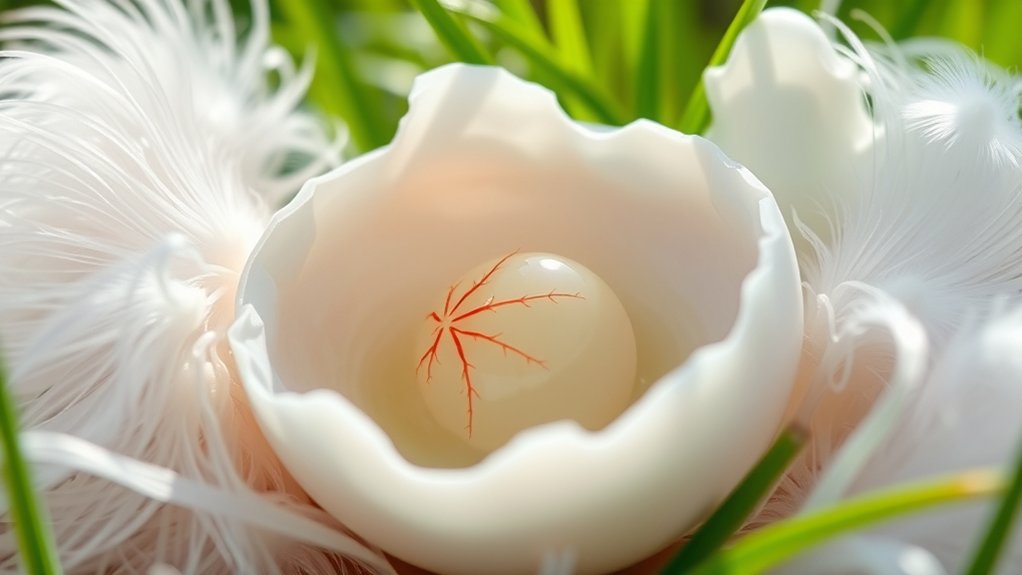
Sometimes, you might notice a faint network of blood vessels or a bullseye pattern near the yolk. These signs suggest fertilization has taken place.
Keep in mind, though, some eggs can look ambiguous. Visual inspection alone isn’t foolproof. Use this as a quick initial check, but consider other tests for better certainty.
Candle Test Method
The candle test is a simple way to check if an egg is fertilized by shining a bright light through its shell in a dark room. Hold the egg gently against a lit candle or a strong flashlight, keeping your hand steady.
Look inside for a dark spot or a network of blood vessels, which shows fertility. An unfertilized egg looks mostly clear with a uniform yolk, while a fertilized one has developing blood vessels or a small, dark circle called the germinal disc.
Be patient and steady to get a clear view. This method is quick, easy, and effective for identifying fertilized eggs without damaging them. Just handle the eggs carefully to avoid cracks.
What Is the Role of Roosters in Fertilization?
Roosters play a key role in the fertilization process by mating with hens to transfer sperm needed to fertilize eggs. During mating, the rooster briefly mounts the hen and deposits sperm into her reproductive tract.
This sperm then travels to the hen’s oviduct, where it can fertilize eggs as they develop. Having a rooster around makes sure the eggs laid by the hen have the chance to be fertilized.
If you want hatchable eggs or are breeding, the presence of a rooster is essential. Without a rooster, hens will only lay unfertilized eggs, which aren’t viable for hatching.
The success of fertilization depends on the health and quality of the rooster. Choosing a healthy, active rooster is important for a productive breeding process.
How to Check Egg Fertility Using the Float Test
Wondering if an egg is fertilized? The float test is a quick way to check. Fill a glass or bowl with cold water and gently place the egg in it.
Use the float test by placing the egg in cold water to check for freshness and potential fertility.
If the egg sinks and lies flat on its side, it’s probably fertile or at least viable. If it stands upright or floats to the top, it’s probably not fertilized or too old to be good.
This test works because of the air cell inside the egg, which gets larger over time. Fresh eggs tend to sink because they have less air in the shell, while older eggs float due to increased air space.
Keep in mind, this test isn’t 100% accurate, but it’s a handy way to check an egg’s freshness and potential fertility quickly.
How to Candle Eggs to Determine Fertility
Curious how to tell if an egg is fertilized without cracking it open? Candle the egg by holding it up to a bright light in a dark room. Gently spin the egg to see if you notice movement inside.
Look for a developing embryo, which appears as a dark spot or network of blood vessels against the shell. Around 7 to 10 days of incubation, these signs become clearer.
If you see a clear yolk with no dark spots or blood vessels, the egg is likely unfertilized. Handle the egg carefully to avoid damaging the shell.
Candle regularly to monitor development, but remember, not every fertilized egg will show strong signs early on.
What Should You Do If You Find Fertilized Eggs?
If you find fertilized eggs, the next step is to decide whether to incubate them or set them aside. If you want chicks, you’ll need an incubator or a broody hen to hatch the eggs.
Make sure the eggs are clean and stored in a cool, humid environment if you’re not incubating right away. Gently turn the eggs daily to prevent the embryo from sticking to the shell.
If you don’t plan to hatch, it’s best to set the fertilized eggs aside and use them for eating. Keep them refrigerated to slow development and prevent spoilage.
Common Mistakes When Checking Egg Fertility
Many people make mistakes when checking egg fertility that can lead to false outcomes. You might overlook freshness indicators or rely only on candling without considering other signs.
Moreover, misinterpreting blood vessels can cause confusion about whether an egg is truly fertile.
Overlooking Freshness Indicators
One common mistake when checking egg fertility is ignoring freshness indicators that show whether an egg is still good to incubate. You might focus only on how the egg looks or try candling without thinking about its age.
Fresh eggs usually have thicker whites and firm yolks, which makes it easier to assess fertility. But older eggs often develop air pockets, watery whites, or cracks that can confuse you into thinking they’re fertile or not.
Always check the date on the carton or do a simple float test. If the egg floats, it’s probably too old. Overlooking these signs can lead you to incubate eggs that aren’t viable anymore, wasting time and resources on eggs that won’t develop properly.
Relying Solely on Candling
Relying solely on candling to determine egg fertility can lead to mistakes because visual inspection doesn’t tell the whole story. Candling shows you the egg’s interior at a specific moment, but it doesn’t reveal ongoing development or problems.
You might see a small blood ring or an unformed embryo and assume the egg is infertile, but these signs can change or be misleading. Be aware of these common pitfalls:
- Mistaking early development signs for infertility
- Overlooking eggs with delayed embryo growth
- Ignoring eggs that appear clear but are still viable
Misinterpreting Blood Vessels
Misinterpreting blood vessels is a common mistake when checking egg fertility, especially for beginners. Blood vessels in a fertile egg can look similar to veins or cracks, which can lead to false conclusions.
Sometimes, you might see faint lines and mistake them for signs of fertility when they’re just natural yolk or albumen structures. With time and practice, you’ll learn to tell healthy blood vessels apart from other markings.
Blood vessels should be clear, branching, and well-defined, usually pointing toward the embryo’s development site. If you mistake blood vessels for cracks or damage, you might discard a fertile egg unnecessarily.
Take your time, compare multiple candlings, and get familiar with what healthy blood vessels look like. This way, you can avoid this common mistake and make better decisions about your eggs.
Tips to Increase Fertility in Your Flock
Boosting fertility in your flock starts with creating ideal conditions for your hens and roosters. Make sure they have a clean, safe environment with plenty of space to reduce stress, which can impact reproduction.
Providing a balanced diet rich in nutrients, especially protein and calcium, supports healthy egg production and sperm quality. Regularly observe your birds for signs of health issues and address problems promptly.
To further elevate fertility, offer high-quality, varied feed with supplements if necessary. Maintain consistent lighting schedules to mimic natural daylight.
Minimize disturbances and predators around the coop. These steps help improve mating success and increase the chances of fertilized eggs, setting your flock up for better hatch rates.
Frequently Asked Questions
How Long Does It Take for an Egg to Develop Into a Chick?
It takes about 21 days for an egg to develop into a chick. You’ll see changes as the embryo grows, especially if you’re hatching the egg in an incubator.
During this time, it’s really important to keep the temperature and humidity just right. If you’re incubating, check the egg regularly for signs of development.
Once the 21 days are up, the chick will start pecking its way out, finishing its incubation period.
Can You Tell if an Egg Is Fertile Without Breaking It?
You can tell if an egg is fertile without breaking it by doing a candling process—think of it as shining a flashlight through a window to see inside. Hold the egg over a bright light in a dark room; if you see blood vessels or a dark spot, it’s fertile.
If it appears clear, then it’s likely infertile. This method helps you peek into the egg’s potential without having to crack it open.
Does the Age of the Hen Affect Egg Fertility?
Yes, the age of the hen affects egg fertility. Younger hens usually lay more fertile eggs because their reproductive systems are still developing, and they have higher hormone levels.
As hens get older, their fertility drops, and they lay fewer fertilized eggs. You might see fewer chicks or successful pregnancies from older hens.
To keep fertility high, provide good nutrition, keep nesting areas clean, and ensure your hens are healthy overall.
What Are Signs of a Healthy, Fertile Hen?
Ever wondered what makes a hen healthy and fertile? You’ll notice she’s active and alert, with bright eyes and shiny feathers.
Her comb and wattles are vibrant and well-formed. She maintains a steady laying schedule and shows no signs of illness or lethargy.
A healthy, fertile hen also eats well and drinks plenty of water. These signs indicate she’s in good condition to produce fertile eggs consistently.
How Does Diet Influence Chicken Egg Fertility?
Your chicken’s diet directly impacts egg fertility. Providing a balanced mix of proteins, grains, and calcium helps improve reproductive health.
Including supplements like oyster shell or grit boosts calcium intake, which is essential for strong eggshells. Avoiding malnutrition and ensuring consistent access to fresh water supports overall health.
When your hens eat nutritious foods, they’re more likely to produce fertile eggs. This increases hatchability and helps maintain a healthy flock.
Conclusion
Now that you know how to tell if an egg is fertilized, you can confidently examine your flock’s eggs and identify which ones are fertile. This helps you decide your next steps with ease.
Whether you’re using the float test or candle method, you’re now equipped to spot the signs of a fertilized egg. Understanding these signs helps you manage your flock better and improve their fertility.
By recognizing the differences, you can make more informed choices about which eggs to incubate or hatch naturally. It’s a simple way to boost your backyard farm’s productivity.
Welcome this knowledge, observe the signs carefully, and enjoy nurturing healthy, productive hens and roosters. Creating a thriving, vibrant flock becomes easier when you understand fertility.