How to Tell If Beef Broth Is Bad
Many of us have found ourselves questioning whether that leftover beef broth is still good to use. You’re not alone—knowing how to tell if beef broth has gone bad can be tricky, especially when you want to avoid waste or food poisoning.
To tell if beef broth has gone bad, start by smelling it—any sour, rancid, or off odor means it’s spoiled.
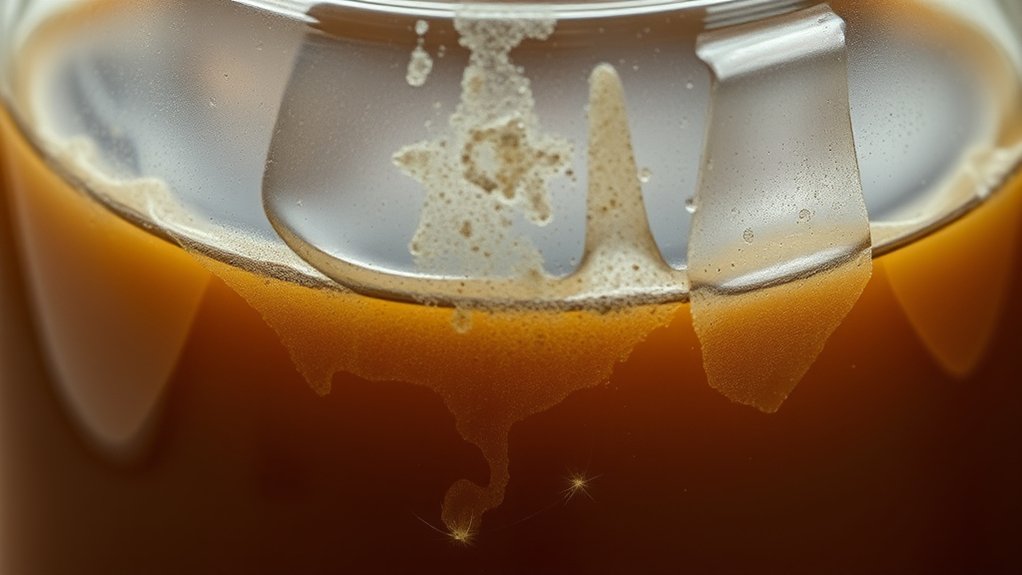
Check the appearance—cloudiness, strange discoloration, or floating particles indicate spoilage.
Take a small taste—if it’s sour or metallic, discard it.
Also, trust the signs of mold or sliminess. Proper storage is key, but if you notice these clues, it’s best to toss it.
Keep going to learn more tips to keep your broth fresh longer.
Key Takeaways
- Smell the broth. If it has sour, rancid, or off odors, it’s a sign it’s gone bad.
- Check for cloudiness, discoloration, or floating particles. These are clues that bacteria might be growing.
- You can taste a small sip. If it tastes sour or metallic, it’s best to toss it out.
- Look closely for mold, slime, or unusual colors like green or black on the surface. These are clear signs it’s spoiled.
- Keep in mind, broth that’s been stored for over 4 days or kept at improper temperatures is more likely to be unsafe.
How Long Does Beef Broth Last in the Refrigerator?
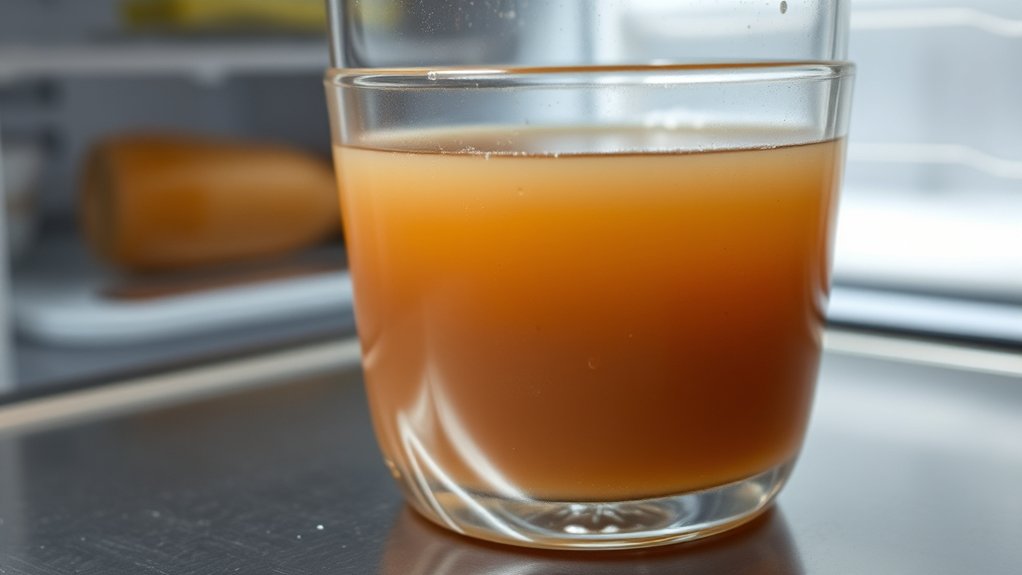
Beef broth typically lasts about 3 to 4 days in the refrigerator if stored properly. To keep it fresh longer, store it in an airtight container to prevent exposure to air and contaminants.
Beef broth lasts 3 to 4 days in the fridge if stored properly in an airtight container.
Make sure your fridge is set at or below 40°F (4°C), since higher temperatures can speed up spoilage. If you pour the broth into a shallow dish or container, it will cool faster and stay fresher longer.
Avoid leaving beef broth out at room temperature for too long, because bacteria grow quickly between 40°F and 140°F. After 3 to 4 days, it’s safest to discard any leftover broth to prevent foodborne illness.
Check your broth regularly for changes in appearance or smell to make sure it’s still safe to eat.
How to Recognize the Smell of Spoiled Beef Broth
How can you tell if beef broth has gone bad just by its smell? If you notice a sour, rancid, or off-putting odor, it’s a clear sign the broth has spoiled. Fresh beef broth usually has a savory, meaty aroma, but spoiled broth smells sharp, sour, or rotten.
Trust your nose—if it’s unpleasant or unfamiliar, discard it immediately. To help visualize, here’s a quick comparison:
| Fresh Beef Broth | Spoiled Beef Broth |
|---|---|
| Savory, meaty aroma | Sour, rancid smell |
| Slightly salty scent | Off-putting, rotten odor |
| Clean, fresh scent | Unpleasant, stinky |
Your nose is your best guide to avoid foodborne illness. When in doubt, throw it out.
What Does Spoiled Beef Broth Look Like? Visual Clues
While smell is a strong indicator, visual signs can also reveal if beef broth has spoiled. Look for cloudiness or a change in color. Fresh broth is usually clear or slightly amber, while spoiled broth may appear murky, dull, or have a grayish tint.
Check for sediment or floating particles that shouldn’t be be there. These can indicate bacterial growth. If you notice a slimy or sticky film on the surface, it’s a clear sign of spoilage.
Furthermore, any mold or unusual discoloration like green or black patches means you should discard the broth immediately. Always trust your eyes. If anything looks off from the usual appearance, it’s safest to throw the broth away.
How to Detect Off-Flavors in Beef Broth
Ever wonder if your beef broth still tastes as it should? To detect off-flavors, take a small sip and pay attention to the taste. Fresh beef broth should have a rich, savory flavor with subtle beefy notes.
If it tastes sour, rancid, or overly bitter, it’s a sign it’s gone bad. Watch for a metallic or chemical taste, which indicates spoilage or contamination.
Sometimes, off-flavors can be subtle, so trust your palate—if something feels off, it’s better to discard it. Also, compare the flavor to when it was fresh; any unusual or strange taste is a warning sign.
Signs Your Beef Broth Has Gone Bad
Noticing the signs that your beef broth has gone bad is crucial for safe eating. If it looks, smells, or tastes off, it’s best to toss it out. Common signs include a sour or rancid smell, a change in color, or a slimy texture.
Here’s a quick guide to spotting spoiled broth:
| Sign | What to Look For |
|---|---|
| Odor | Sour, rancid, or off-putting smell |
| Appearance | Cloudy, dull color, or mold |
| Texture | Sliminess or sticky surface |
| Taste | Bitter or strange flavor |
Keep an eye out for these signs to avoid foodborne illness and make sure your broth is safe to enjoy.
How to Tell If Frozen Beef Broth Is Spoiled
Wondering how to tell if your frozen beef broth has spoiled? First, check how long it’s been in the freezer. If it’s over six months, it’s more likely to be compromised.
Next, look for freezer burn. White spots or ice crystals on the surface don’t necessarily mean it’s spoiled, but they can affect flavor and texture.
Freezer burn may affect flavor and texture but doesn’t always mean the broth is spoiled.
When you thaw the broth, smell it. If it has a sour, off, or rancid odor, it’s best to toss it out right away.
Also, inspect the color and consistency. Discoloration or sliminess are signs of spoilage.
If the broth looks cloudy or has strange particles after thawing, it’s safer to discard it.
Trust your senses—if anything seems off, it’s better to be safe than sorry.
Common Mistakes That Lead to Spoiling Beef Broth
One common mistake is storing beef broth improperly, which speeds up spoilage. Leaving it uncovered or at the wrong temperature can also cause bacteria to grow.
Moreover, using contaminated utensils can introduce germs that spoil the broth faster. Always make sure to store broth in a sealed container and keep it at the right temperature.
Improper Storage Habits
Improper storage habits are a common cause of beef broth spoilage, often leading to its quick deterioration. If you don’t store your broth properly, bacteria can grow faster, making it unsafe to consume.
Leaving beef broth at room temperature for a long time encourages bacterial growth and speeds up spoilage. Using unairtight containers exposes the broth to air, which can introduce contaminants and cause oxidation, affecting flavor and quality.
Filling containers too full leaves no room for expansion when the broth freezes, risking cracks and leaks. Storing broth in warm or fluctuating temperatures also accelerates spoilage.
To keep your beef broth fresh longer, always store it in airtight containers in the refrigerator or freezer. Avoid temperature swings that can promote bacterial growth.
Leaving It Uncovered
Leaving beef broth uncovered after cooking or opening is a common mistake that speeds up spoilage. When you leave it exposed to air, bacteria and mold spores settle on the surface more easily, increasing the risk of contamination.
Plus, exposure to air causes the broth to evaporate and lose its flavor, which can hide signs of spoilage. Cold air also introduces moisture, helping bacteria thrive.
To prevent this, always cover your beef broth tightly with a lid or plastic wrap, especially after opening. Doing so preserves its freshness, slows bacterial growth, and keeps it tasting better longer.
Proper covering is a simple step that greatly reduces the chances of your broth going bad unnoticed.
Using Contaminated Utensils
Using contaminated utensils is a common mistake that can quickly spoil your beef broth. When you use dirty spoons, ladles, or cutting boards, you introduce bacteria and other microbes that cause spoilage.
Even if the broth looks and smells fine, contamination can lead to faster bacterial growth, making it unsafe to eat. Always wash your utensils thoroughly with hot, soapy water before handling the broth.
Be especially careful after touching raw meat or other raw ingredients. Avoid cross-contamination by using separate utensils for raw and cooked foods.
If utensils sit out or aren’t properly cleaned, they can transfer germs that speed up spoilage. Staying vigilant with clean utensils helps keep your broth fresh and safe.
This prevents unpleasant odors, cloudiness, or sliminess in your broth.
When and How to Safely Discard Spoiled Beef Broth
When you notice signs like a sour smell, mold, or a change in color, it’s time to discard the beef broth.
Proper disposal involves pouring it into a sealed bag and tossing it in the trash. Avoid pouring it down the drain to prevent contamination and keep your kitchen safe.
Signs of Spoilage
If you notice any unusual changes in your beef broth, it’s a clear sign that it might be spoiled. Look for a sour or off smell that’s different from its usual savory aroma.
Changes in color, like a dull or cloudy appearance, also indicate spoilage. If you see mold or slimy textures on the surface, it’s best to discard it.
Signs of spoilage include an unpleasant, sour, or rancid odor, cloudiness or discoloration, and a slimy or moldy surface.
Trust your senses—if anything seems off, it’s safest to throw the broth away. Eating spoiled broth can make you sick, so always prioritize safety over waste.
Proper Disposal Methods
Once you’ve realized your beef broth has spoiled, it’s important to dispose of it properly to avoid health risks or contamination. Start by pouring the broth into a sealed bag or container to contain odors and prevent leaks.
Wrap the container with newspaper or paper towels for extra security. Then, discard it in your household trash, making sure it’s out of reach of pets or wildlife. Avoid pouring spoiled broth down the drain because it can clog pipes or cause bacterial buildup.
If the broth has mold or bacteria, wear gloves when handling it to prevent cross-contamination. Afterward, clean any utensils or containers that touched the broth with hot, soapy water.
Proper disposal keeps your home healthy and helps protect the environment from contamination.
Tips to Keep Your Beef Broth Fresh Longer
To keep your beef broth fresh longer, proper storage techniques are key. Always refrigerate broth within two hours of cooking or opening to prevent bacteria from growing. Use airtight containers to keep air out, which helps prevent spoilage. Consider freezing any extra broth in small portions for easy use later.
To make sure your broth stays fresh, remember these tips:
- Label containers with dates so you know how long they’ve been stored
- Store broth in the coldest part of your fridge
- Avoid thawing and refreezing it multiple times, as that can ruin the flavor and quality
Frequently Asked Questions
Can Mold Grow on Beef Broth Without Visible Signs?
Yes, mold can grow on beef broth without visible signs, especially if it’s stored improperly or kept for too long. Mold spores are microscopic and might not show up right away, but they can still produce toxins that are harmful.
Always smell the broth and check for an off or sour odor. If you’re unsure, it’s safest to discard it to avoid potential food poisoning.
Is It Safe to Taste Beef Broth to Check for Spoilage?
You shouldn’t taste beef broth to check for spoilage because it can be unsafe if it’s gone bad. Spoiled broth may contain harmful bacteria or toxins that aren’t always detectable by taste or smell.
Instead, rely on visual cues like mold, an off smell, or a slimy texture. When in doubt, it’s best to discard the broth to avoid food poisoning rather than risking your health by tasting it.
How Does Temperature Affect Beef Broth’s Shelf Life?
Think of your beef broth as a delicate garden that needs the right climate. When kept cold below 40°F, it stays fresh, like a well-tended garden in spring.
Warm temperatures act like a scorching sun, speeding up spoilage. If you leave broth out at room temperature for more than two hours, bacteria flourish, shortening its shelf life.
To keep it safe, always store refrigerated or frozen, and avoid temperature fluctuations.
Can Packaging Date Reliably Indicate Beef Broth Freshness?
The packaging date gives a rough idea of how fresh your beef broth is, but it’s not always a reliable indicator. Things like how it’s stored and if the package has been opened can affect its freshness.
Always check for signs like a sour smell, weird color, or sliminess before using it. Trust your senses more than the date itself—if something seems off, it’s best to discard the broth to stay safe.
What Are Natural Preservatives to Extend Beef Broth’s Shelf Life?
You can extend beef broth’s shelf life with natural preservatives like salt, vinegar, and citrus juices. Salt helps slow down bacterial growth, while vinegar and citrus acids lower the pH, making it tougher for microbes to thrive.
Adding these ingredients during cooking or storage can help keep the broth fresh naturally. Just make sure to refrigerate it in airtight containers and consume it within a few days for the best quality and safety.
Conclusion
If you ignore these signs, your beef broth could turn into a toxic swamp faster than you can say “spoiled.” Don’t gamble with your health—trust your senses! When in doubt, toss it out.
Proper storage and quick disposal are your best defenses against a kitchen catastrophe. Remember, a little vigilance now can save you from a flavorless, dangerous nightmare later.
Keep your broth fresh and your meals safe—your taste buds will thank you! Recognizing when beef broth is bad is key to avoiding food poisoning and enjoying safe, delicious meals.