How to Cook Petite Tender Beef Filet in 7 Easy Steps
Many home cooks find themselves frustrated when trying to cook the perfect petite tender beef filet. You’re not alone—getting that ideal sear and juicy interior can be tricky.
But don’t worry, with a few simple steps, you can master this cut and impress everyone at the table.
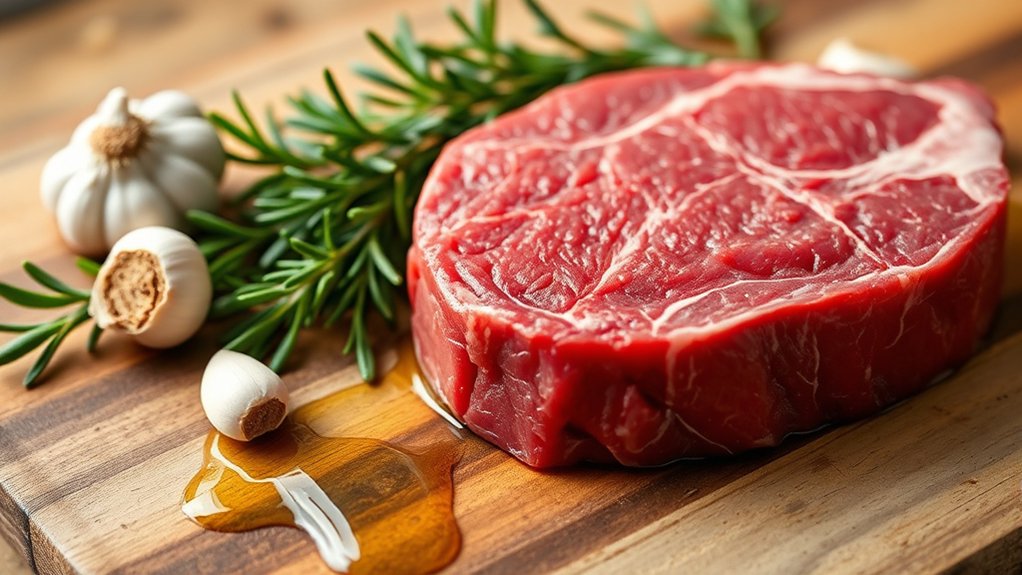
Start by choosing a fresh, bright red petite tender beef filet with good marbling. Season generously with salt, pepper, and herbs, then let it rest at room temperature for about 30 minutes.
Use a hot skillet with high smoke point oil to sear each side for 2-3 minutes.
Lower the heat and cook to your preferred doneness with a meat thermometer.
Rest the meat before slicing and serving.
Continue exploring to master tips for perfect results every time.
Key Takeaways
- Select fresh, well-marbled petite tender beef filet with a bright red color and firm texture.
- Season generously with salt, pepper, and optional herbs. Let the meat rest at room temperature for about 30 minutes.
- Use a hot skillet with high smoke point oil to sear each side for 2-3 minutes.
- Keep an eye on the internal temperature with a meat thermometer to reach your preferred level of doneness.
- Once cooked, let the beef rest before slicing to keep it juicy.
- Serve immediately, garnished with herbs and paired with vibrant sides for an elegant presentation.
Pick the Best Petite Tender Beef Filet
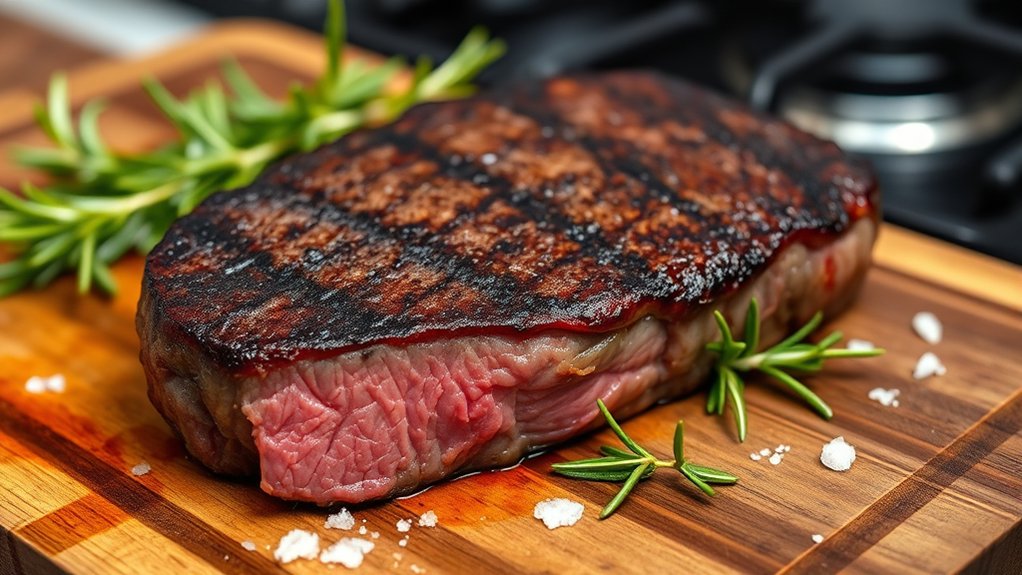
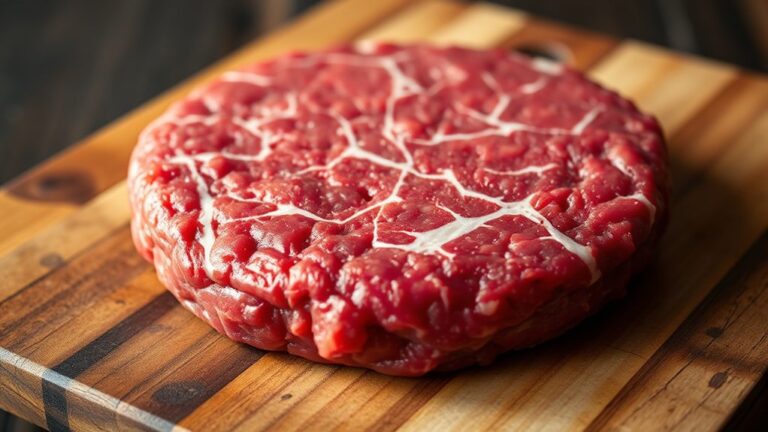
How can you guarantee you’re choosing the best petite tender beef filet? Start by inspecting the meat’s color—look for a bright, cherry-red hue, which indicates freshness. The beef should feel firm but slightly springy to the touch, not mushy or slimy.
Check for even marbling—thin streaks of fat throughout the meat—as this confirms flavor and tenderness. Avoid cuts that look dry or have dark spots, as those signals age or poor quality. Always buy from a trusted butcher or reputable store to ensure quality standards.
If possible, ask for USDA ratings or source details to verify freshness. Remember, a well-chosen petite tender beef filet will be tender, flavorful, and perfect for cooking. Picking quality now guarantees a better final dish.
Season and Rest Your Beef for Maximum Flavor
Season your beef generously with salt and your favorite spices to bring out its natural flavors.
Letting the meat rest for a few minutes after seasoning helps the flavors soak in deeply. Proper resting also keeps the beef juicy and tender when you cook it.
Proper Seasoning Techniques
To release the full flavor of your petite tender beef filet, it’s crucial to properly season and give it time to rest. Start by generously sprinkling salt and freshly ground pepper on all sides. Salt amplifies the meat’s natural flavors and helps tenderize it slightly.
For added depth, consider using garlic powder, onion powder, or your favorite herbs like thyme or rosemary. Pat the seasonings into the meat to make sure they stick. Avoid over-seasoning, which can overpower the delicate beef.
Once seasoned, let the beef sit at room temperature for about 30 minutes. This allows the flavors to penetrate and guarantees a more flavorful, evenly cooked filet. Proper seasoning and resting set the foundation for a delicious, perfectly cooked petite tender.
Resting Time Benefits
After seasoning your petite tender beef filet and letting it sit at room temperature, giving it a proper rest period allows the flavors to fully develop and settle into the meat. Resting helps redistribute juices, resulting in a more tender, flavorful bite.
It also prevents the juices from rushing out when you cut into the meat, keeping it moist and rich. Plus, a rest period lets the muscle fibers relax, making each slice more succulent.
This step improves the overall eating experience by maximizing flavor and juiciness. For a better presentation, keep in mind these benefits:
- Improves meat tenderness and texture
- Ensures even distribution of juices
- Enhances flavor absorption
- Prevents meat from becoming dry or tough
- Creates a more appealing look
Enhancing Flavor Depth
For your beef to develop maximum flavor, it’s essential to season it generously and let it rest afterward. Salt boosts natural flavors and helps tenderize the meat, so don’t skimp on it. You can also add herbs, garlic, or spices to increase complexity.
After seasoning, let the beef rest at room temperature for about 30 minutes. This allows the seasoning to penetrate deeper and promotes even cooking. Resting also helps the juices redistribute, ensuring every bite is flavorful and moist.
If you want to improve the taste further, consider marinating the beef overnight or applying a dry rub before cooking. These steps intensify the beef’s natural richness and add layers of flavor.
Proper seasoning and resting are key to achieving a deeply flavorful, tender petite tender beef filet.
Choose the Right Equipment for Cooking Beef Filet
Choosing the right equipment is essential for cooking a perfect petite tender beef filet. The right tools guarantee even cooking, help retain moisture, and deliver a beautifully cooked result.
Start with a high-quality, heavy-duty skillet, like cast iron or stainless steel, to provide consistent heat. Use tongs for precise handling, avoiding piercings that can release juices.
A reliable meat thermometer is key to monitoring internal temperature for perfect doneness. Consider a roasting pan if you’re oven-roasting or a sous-vide device for precise temperature control.
A wire rack allows for even cooling and resting, preventing sogginess. Finally, invest in good-quality kitchen towels or mitts to handle hot equipment safely.
These tools come together to make your cooking process easier and help you achieve tender, flavorful beef filet every time.
Sear for a Perfect Crust and Cook to the Right Temperature
Start by heating your skillet over high heat until it’s extremely hot. Add a thin layer of oil with a high smoke point, like canola or avocado oil.
Once the oil shimmers, place the beef filet in the skillet, making sure not to crowd the pan. Sear each side for about 2-3 minutes, pressing gently to guarantee even contact.
Once the oil shimmers, sear the beef for 2-3 minutes per side with gentle pressing.
This creates a flavorful, caramelized crust. Use tongs to turn the meat, avoiding puncturing it.
After searing, lower the heat to cook the filet to your desired temperature—rare, medium-rare, or medium—using a meat thermometer for accuracy.
Let Your Beef Rest Before Serving
Let your beef rest before slicing. This helps lock in the juices and boosts its flavor.
It also makes sure the meat cooks evenly all the way through. Skipping this step can leave you with a drier, less tender filet.
Enhances Juiciness and Flavor
After cooking your petite tender beef filet, resting it for a few minutes allows the juices to redistribute throughout the meat, resulting in a juicier and more flavorful bite. This simple step keeps the juices from spilling out when you slice, helping each piece stay moist and tender.
Resting also lets the flavors concentrate, making each mouthful richer and more satisfying. To get the most out of this, cover the meat loosely with foil, which helps retain heat without trapping too much moisture.
Proper resting time ensures your beef stays juicy and flavorful from edge to center. Remember, patience pays off and turns a good filet into a memorable culinary experience.
- Improves natural moisture retention
- Boosts overall tenderness
- Concentrates flavors within the meat
- Prevents excessive juice loss
- Enhances the dining experience
Ensures Even Cooking
To guarantee your petite tender beef filet is cooked evenly throughout, it’s important to let it rest before slicing and serving. Resting allows the juices to redistribute, so they don’t rush out when you cut into the meat.
This helps keep the inside of the filet at a uniform temperature, making each bite perfectly cooked. Keep the beef covered loosely with foil and let it rest for about 5 to 10 minutes.
Resting also relaxes the muscle fibers, making the meat easier to cut and more tender. Skipping this step can lead to uneven slices and juices pooling out, which can make the meat drier.
Taking this simple step ensures your petite tender beef filet is beautifully cooked and juicy every time.
Troubleshoot Common Issues and Try Flavor Variations
Even with careful preparation, you might run into some common issues when cooking petite tender beef filet, but most are easy to fix. If the meat turns out too tough, it’s probably overcooked, so try cutting down on cooking time or lowering the heat.
For uneven doneness, make sure you let the steak rest before slicing. If the flavor feels bland, boost it with marinades, herbs, or spice rubs before cooking. To add variety, experiment with different seasonings or sauces that pair well with beef.
Use a meat thermometer to prevent overcooking and get the perfect doneness. Incorporate marinades to add moisture and flavor, and try different herb and spice combos for variety.
Adjust cooking times based on the thickness of your steak, and finish with a flavorful sauce or glaze to elevate the dish. These small tweaks can make a big difference in your results.
Finish With Tips for Serving and Presentation
Presenting petite tender beef filet beautifully can really elevate the whole dining experience. To do this, slice the filet against the grain for maximum tenderness and arrange it neatly on a warm plate.
Add a simple sauce or a drizzle of reduction to enhance the flavors. Garnish with fresh herbs like rosemary or thyme, or sprinkle flaky sea salt for a nice visual touch.
Enhance flavors with a drizzle of sauce, fresh herbs, or a sprinkle of flaky sea salt for visual appeal.
Think about pairing the beef with colorful, vibrant sides like roasted vegetables, mashed potatoes, or a fresh salad. Using contrasting textures and colors makes the dish really stand out.
Serve the dish immediately so you enjoy the meat at its juiciest and most tender. A well-plated, thoughtfully presented dish not only looks inviting but also makes the meal more enjoyable.
Frequently Asked Questions
How Long Should I Cook Petite Tender Beef Filet for Medium Rare?
You should cook your petite tender beef filet for about 3 to 4 minutes per side for medium rare. Use a hot skillet or grill and sear each side until it develops a nice crust.
The internal temperature should reach 130-135°F. Once cooked, let it rest for a few minutes before slicing.
This will give you a tender, juicy steak with that perfect medium rare center.
Can I Grill Petite Tender Beef Filet Instead of Pan-Searing?
Yes, you can grill petite tender beef filet instead of pan-searing. Preheat your grill to medium-high heat, season the filet, and oil the grates.
Grill each side for about 3-4 minutes for medium-rare, turning once. Use a meat thermometer to check for doneness, and let it rest for a few minutes before serving.
Grilling adds a smoky flavor that enhances the tenderness and taste of the beef.
What’s the Best Way to Store Leftovers Safely?
You should store leftovers in airtight containers within two hours of cooking to keep them fresh and safe.
If you’re worried about spoilage, refrigerate at or below 40°F and consume within three to four days.
For longer storage, freeze them securely, labeling with the date. Proper storage prevents bacteria growth and preserves flavor, so always prioritize safety.
This way, you can enjoy your petite tender beef filet leftovers later without worry.
How Do I Identify Fresh Petite Tender Beef Filet at the Butcher?
To identify fresh petite tender beef filet at the butcher, look for bright, cherry-red meat with a moist surface. It shouldn’t be slimy or discolored.
It should have a fine grain and feel firm to the touch, bouncing back slightly when pressed.
Avoid meat with a strong odor or dark patches.
If you’re unsure, ask your butcher for advice.
Choose cuts that feel cold and fresh to ensure quality and safety.
Are There Vegetarian Alternatives to Petite Tender Beef Filet?
Yes, there are vegetarian alternatives to petite tender beef filet. You might try hearty plant-based options like eggplant, cauliflower, or marinated mushrooms, which can mimic the texture and richness of beef.
Tempeh and seitan are also excellent choices, providing high protein content and a meaty feel. These substitutes can be prepared with similar seasonings and cooking methods, giving you delicious, satisfying dishes without animal products.
Conclusion
Cooking petite tender beef filet is like conducting a symphony—you need each step in harmony for perfection. I once underestimated the power of resting meat, only to find my steak was juicier and more flavorful than ever.
Just as a maestro perfects every note, mastering these 7 steps guarantees your beef filet hits all the right culinary notes. With patience and attention, you’ll create a dish that’s truly a masterpiece on your plate.
By following these steps, you’ll get a perfectly cooked petite tender beef filet every time. It’s all about the little details that make a big difference.