How Long Will Beef Tallow Last in the Fridge?
Many people love cooking with beef tallow for its rich flavor and versatility, but figuring out how long it stays fresh in the fridge can be tricky. You’re not alone—storing it properly is key to avoiding waste and ensuring it’s safe to use.
If stored properly in an airtight container in the coldest part of your fridge, beef tallow can stay fresh for about 1 to 2 months. Keep it away from strong-smelling foods to prevent scent transfer.
Check for signs of spoilage like a sour smell or mold. Always use clean utensils to prevent contamination.
Proper storage extends its freshness, but staying alert to spoilage signs is crucial.
Want some tips on keeping it fresh longer? Keep exploring!
Key Takeaways
Beef tallow usually lasts about 1 to 2 months in the fridge when stored properly.
To make it last longer, use airtight containers and keep it in the coldest part of your fridge.
Dividing the tallow into small portions can also help it stay fresh longer.
Always check for signs of spoilage before using it. Look out for a sour smell, discoloration, or mold.
Properly rendered and stored tallow can stay good for a while, but trust your senses.
If it smells odd, looks strange, or has an unusual texture, it’s best to discard it.
How Long Does Beef Tallow Stay Fresh in the Fridge?
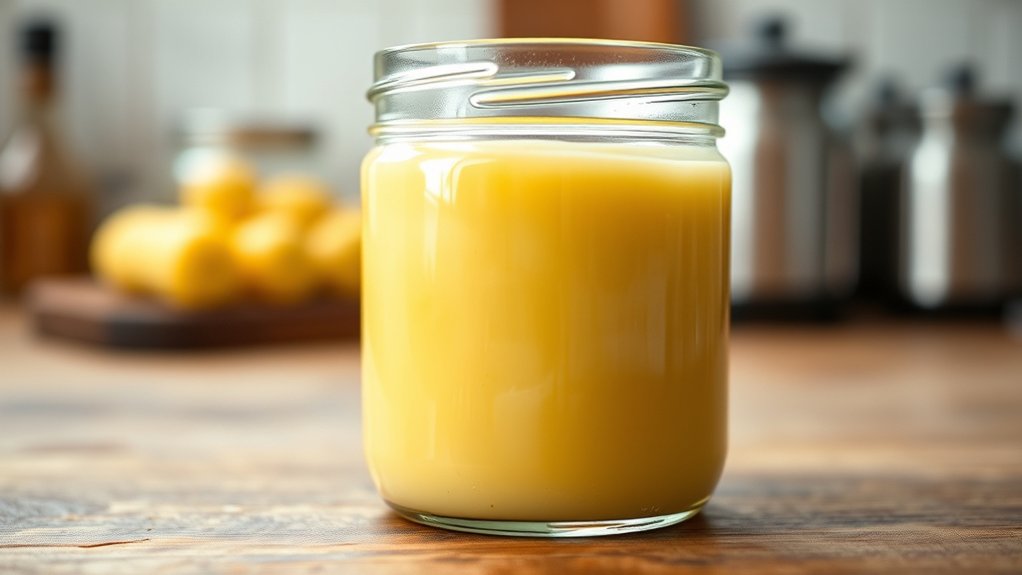
Wondering how long your beef tallow stays fresh in the fridge? Typically, if stored properly in an airtight container, it stays good for about 1 to 2 months.
Make sure the container seals tightly to prevent air from getting in, which can cause spoilage. Keep it in the coldest part of your fridge, away from the door, where temperature changes are more common.
Always check for signs of spoilage before using it. If it develops a sour smell, off color, or mold, discard it immediately.
Proper storage helps extend its freshness, but don’t rely on time alone—your senses are the best guide. When in doubt, it’s safer to toss questionable tallow.
What Factors Affect Beef Tallow’s Shelf Life?
Several factors influence how long beef tallow remains fresh, including storage conditions, the quality of the tallow when purchased, and how it’s handled during use. If you store it in an airtight container, it minimizes exposure to oxygen, slowing spoilage.
The temperature of your fridge also plays a role; a consistently cold, stable environment extends shelf life. High-quality tallow, made from fresh, properly rendered fat, naturally lasts longer than lower-quality options.
Moreover, how often you dip into the jar can introduce bacteria or moisture, which accelerates spoilage. Proper handling—using clean utensils and keeping the lid tightly sealed—reduces contamination risks.
All these factors combined determine how long your beef tallow stays good in the fridge, affecting its flavor, aroma, and safety.
How to Properly Store Beef Tallow for Maximum Freshness
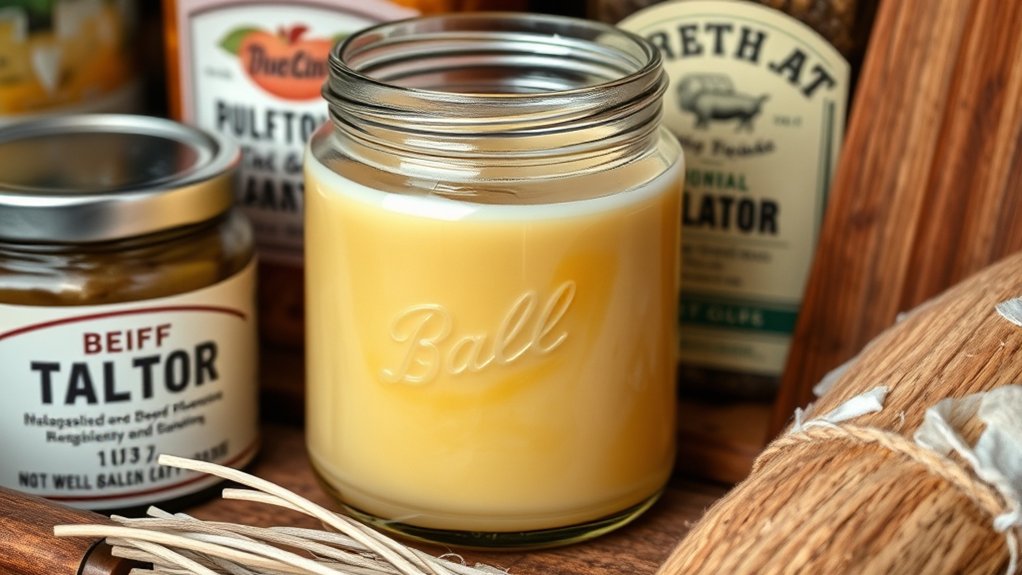
To keep beef tallow fresh for as long as possible, it’s important to store it properly from the start. First, put the tallow into an airtight container, like a glass jar or resealable plastic bag, to keep out air and moisture.
Keep it in a cool, dark spot in your fridge, ideally around 38°F (3°C), to slow down spoilage. Avoid storing it near strong-smelling foods because tallow can absorb odors.
If you want it to last longer, divide the tallow into smaller containers so you only expose what you’re using. Always use a clean utensil when scooping to prevent contamination.
Proper storage helps preserve its quality, flavor, and freshness over time.
How Can You Tell If Your Beef Tallow Has Gone Bad?
How can you tell if your beef tallow has gone bad? First, check for an off smell. Fresh tallow has a mild, beefy aroma, but spoiled tallow develops a sour or rancid odor.
Next, examine its appearance. If it’s become dark, cloudy, or shows signs of mold, discard it immediately. Also, look for any changes in texture—if it feels slimy or sticky, that’s a sign it’s spoiled.
Taste can also help. If it tastes bitter or rancid, don’t use it. Remember, trust your senses—if anything seems unusual, it’s safest to throw the tallow out.
Proper storage can extend its life, but these signs are your best indicators that it’s time to replace it.
Tips to Extend the Shelf Life of Beef Tallow
Proper storage methods can greatly extend the shelf life of your beef tallow. Keep it in an airtight container to prevent exposure to air, which can cause spoilage. Use glass jars or heavy-duty plastic containers with tight-fitting lids.
Store the tallow in a cool, dark place, preferably in the fridge, to slow down oxidation and rancidity. Avoid frequent temperature fluctuations by keeping it away from the fridge door.
Consider dividing the tallow into smaller portions. This way, you only expose what you need each time. Wrapping the container tightly and minimizing contact with moisture also helps prevent spoilage.
Finally, label your containers with the date of storage so you can keep track of freshness. Use the oldest tallow first to ensure nothing goes to waste.
Is Refrigeration the Best Way to Preserve Beef Tallow or Are There Better Methods?
Refrigeration is a common method for preserving beef tallow, but it’s not always the best option depending on how long you want to store it. While chilling slows bacterial growth and keeps the fat fresh, it can cause the tallow to become cloudy and develop an off texture over time.
If you plan to store beef tallow for several months or more, consider alternatives like freezing or storing it in a cool, dark, airtight container. Freezing halts spoilage entirely and preserves flavor and quality longer.
Properly rendered and stored in a sealed jar, beef tallow can last several months in the fridge, but freezing extends its shelf life considerably. Choose the method that matches your storage duration and convenience.
How Long Can Beef Tallow Last Outside the Refrigerator?
Wondering how long beef tallow can stay safe outside the fridge? If you leave it at room temperature, it usually lasts about 1 to 2 days, especially in a cool, dark place.
High temperatures speed up spoilage, so it becomes unsafe sooner. If the environment is warm or humid, the tallow could spoil within a day or less.
Keep in mind that exposed tallow is more prone to oxidation and bacterial growth. To keep it safe and good quality, store beef tallow in an airtight container.
If you don’t plan to use it quickly, refrigeration is the best option. Outside the fridge, always check for signs of spoilage like off smell, discoloration, or mold before using it.
When Is It Time to Discard Old Beef Tallow?
Knowing when to discard beef tallow is key to keeping it safe and good quality. Over time, fats can develop off smells, strange textures, or mold, which means it’s time to toss it out.
Knowing when to discard beef tallow ensures safety and quality. Watch for off smells, mold, or slimy textures.
Keep an eye out for these signs:
- A rancid or sour smell that sticks around even after rinsing.
- Visible mold or discoloration on the surface.
- A sticky or slimy texture that wasn’t there before.
If you notice any of these, don’t risk eating it. Old tallow can harbor bacteria or toxins, even if it looks okay at first glance. When in doubt, it’s safer to discard and start fresh.
Proper storage helps, but your senses are the best way to tell if it’s still good.
Frequently Asked Questions
Can Beef Tallow Be Frozen for Longer Storage?
Yes, you can freeze beef tallow for longer storage. To do this, let the tallow cool completely, then transfer it into airtight containers or freezer bags.
Be sure to remove excess air before sealing. Label the containers with the date so you know how long it’s been frozen.
When you’re ready to use it, simply thaw it in the fridge or at room temperature. Properly stored, it stays good for up to a year.
Does Adding Salt or Herbs Affect Beef Tallow’s Shelf Life?
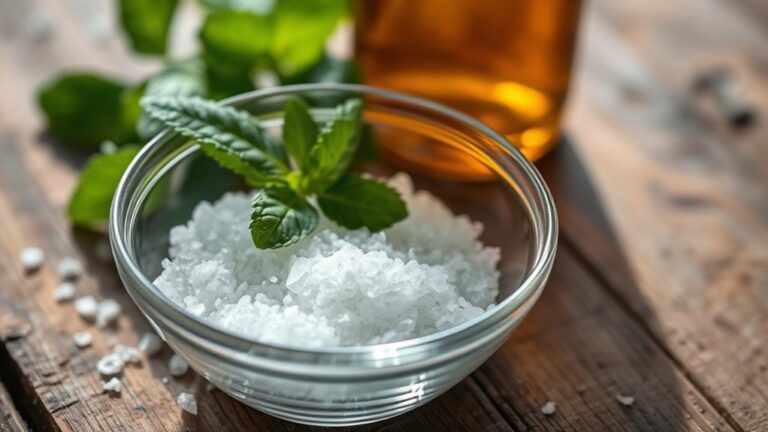
Adding salt or herbs to beef tallow doesn’t significantly change its shelf life. Salt can act as a preservative, so it might slightly help it last longer. Herbs and spices, on the other hand, usually don’t affect how long it stays good.
What really matters is storing it properly. Keep the tallow in an airtight container in the fridge. Avoid moisture and contaminants to help it stay fresh.
With good storage, beef tallow can last several weeks to a few months depending on conditions.
How Does Temperature Fluctuation Impact Beef Tallow’s Freshness?
You might notice that even small temperature fluctuations can speed up beef tallow’s spoilage. When the fridge’s temperature rises above 40°F, bacteria multiply faster, reducing freshness.
Conversely, keeping the temperature steady and cold slows down spoilage. So, it’s best to store your beef tallow in a cool, consistent environment.
Make sure to regularly check your fridge’s temperature. Also, keep the tallow in an airtight container to help maintain its quality longer.
Is Beef Tallow Safe to Reuse After Frying?
Yes, you can reuse beef tallow after frying, but it’s important to do so safely.
Strain out any food particles to prevent spoilage, and store the tallow in an airtight container in the fridge.
You can reuse it a few times, but always check for off smells or discoloration before each use.
If it develops an unpleasant odor or rancid taste, it’s best to discard it.
With proper storage and regular monitoring, you can safely reuse your beef tallow.
What Are the Signs of Rancidity in Beef Tallow?
You’ll know beef tallow has gone rancid if it smells sour or has a bitter or off-putting odor. It might also develop a cloudy appearance with mold or discoloration.
If it tastes bitter or strange when you try a small amount, it’s best to discard it. Trust your senses—any strong, unpleasant smell or unusual visual changes mean the tallow is no longer safe to use.
Conclusion
If you store your beef tallow properly in the fridge, it can last up to a year. Just keep it in an airtight container to prevent it from absorbing other odors.
Don’t worry if it develops a rancid smell or off color—that’s a sign it’s time to toss it. While refrigeration is best for longevity, some people prefer freezing for even longer storage.
Trust your senses and discard the tallow if it smells or looks off. Keeping a close eye on it ensures you always enjoy fresh, flavorful beef tallow without risking spoilage or health issues.