How Long to Soak Corned Beef to Remove Salt
Many people love corned beef but struggle with figuring out how to tame its saltiness. If you’re tired of overly salty bites, you’re not alone—this is a common issue.
Luckily, there’s an easy fix to enjoy that tender, flavorful meat without the salt overpowering everything.
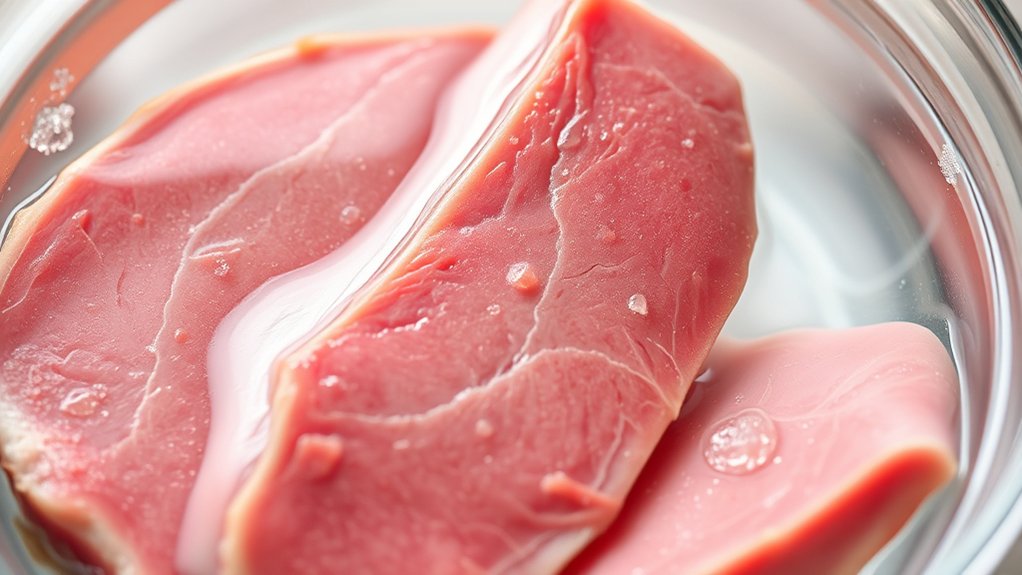
To reduce the saltiness of corned beef, soak it in cold water for 1 to 8 hours, changing the water every 30 minutes to speed up salt removal. Thicker cuts may need longer, possibly overnight, while smaller pieces require less time.
Check the meat periodically until it reaches your desired saltiness.
Keep in mind, more tips for perfecting your corned beef’s flavor and texture are just a look away.
Key Takeaways
- Soak corned beef for 1 to 4 hours, changing the water every 30 minutes. This helps reduce the saltiness effectively.
- If the meat is heavily salted, it might need up to 8 hours or even overnight soaking for thorough desalination.
- Thicker cuts will take longer to desalinate, so plan accordingly. Thinner slices tend to desalinate faster.
- Always use cold water during soaking. It draws out the salt without cooking the meat.
- Make sure to taste the meat regularly and check the salt levels. This way, you can avoid over- or under-soaking.
Why Does Corned Beef Get Too Salty, and How Can Soaking Help?
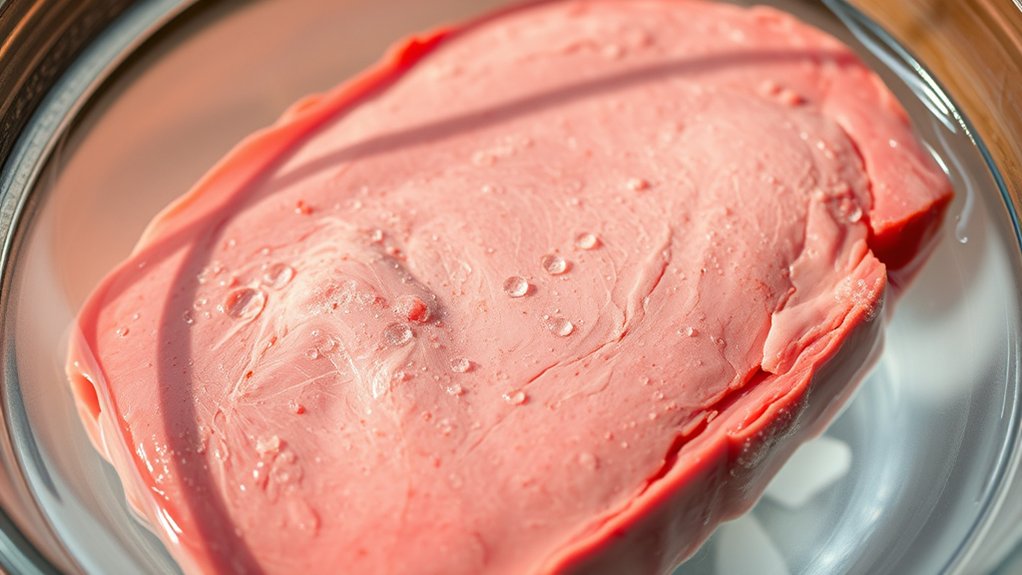
Corned beef often ends up too salty because it’s usually cured in a salt-heavy brine to preserve and add flavor. This process infuses the beef with salt, which helps prevent spoilage and makes it taste better.
But if you’re sensitive to salt or prefer a milder flavor, this can be a problem. Soaking the beef in water helps draw out the excess salt through osmosis, making it less salty.
As the meat sits in water, the salt dissolves and leaves the meat, resulting in a less salty taste that’s more enjoyable. Keep in mind, the longer you soak, the more salt you’ll remove.
This process lets you customize the flavor, ensuring your corned beef isn’t overly salty and better suits your taste preferences.
What Factors Affect How Long You Should Soak Corned Beef?
Several factors influence how long you should soak corned beef to reduce its saltiness. First, the thickness of the meat matters; thicker cuts need longer soaking to draw out the salt evenly.
The initial saltiness level also plays a role. More heavily salted meat requires more time to desalinate.
Heavily salted corned beef needs longer soaking to effectively reduce its saltiness.
Temperature impacts the process too. Soaking in cold water slows salt removal, while slightly warmer water can speed it up.
The type of brine used during curing affects how salty the beef is and how long you should soak it.
Moreover, how frequently you change the water influences salt leaching. More frequent changes help accelerate the process.
How Long Should You Soak Corned Beef to Reduce Saltiness?
To reduce the saltiness of corned beef, soaking it for about 1 to 4 hours usually does the trick.
Make sure to change the water every 30 minutes to help draw out more salt.
This way, you can better control the seasoning and adjust it to your taste.
Ideal Soaking Duration
Determining the right soaking time is key to reducing the saltiness of corned beef without losing its flavor. Typically, soaking for 4 to 6 hours works well for most cuts, but you might want to adjust based on your taste.
If the beef is really salty, soaking it for up to 8 hours or overnight can help. Keep in mind, shorter soaking times keep more of the beef’s original flavor, while longer ones reduce saltiness more.
To find your perfect balance, start with 4 hours and taste-test a small piece. If it’s still too salty, soak it longer, checking every couple of hours. The goal is to reduce saltiness without losing the beef’s natural flavor.
Changing Water Frequency
Changing the water frequently during soaking guarantees that salt is drawn out more effectively and prevents the beef from reabsorbing the salt from the water. You want fresh water each time to maintain a consistent gradient that pulls salt from the meat.
To maximize salt removal, change the water every 1 to 2 hours during the initial soaking days. Use cold water to help dissolve and carry away salt more efficiently.
Adjust the frequency based on how salty the water gets; more salt means you should change it more often. Rinse the beef thoroughly after soaking to remove any residual salt on the surface.
Consistently replacing the water guarantees your corned beef becomes less salty without prolonging the soaking process unnecessarily. This simple step makes a noticeable difference in the final taste.
What Are the Best Techniques for Soaking Corned Beef?
Soaking corned beef effectively involves a few key techniques that help reduce its saltiness and improve flavor. First, use cold water because it helps draw out excess salt without cooking the meat.
Submerge the beef completely in a large container, making sure no parts are exposed. Change the water frequently, like every few hours, to maximize salt removal.
If you have time, soaking the beef overnight allows for better salt reduction. You can also gently agitate the meat occasionally to encourage salt diffusion.
For quicker results, slice the beef into thinner pieces to increase surface area. Avoid adding salt or seasoning during soaking so the process isn’t hindered.
These methods work together to produce a less salty, more balanced corned beef ready for cooking.
How Can You Tell When the Saltiness Is Just Right?
After soaking your corned beef and removing excess salt, it’s time to taste it and see if the saltiness is just right. Take a small piece and give it a quick chew to check the flavor.
If it tastes too salty, it probably needs more soaking. If it’s bland, it might need less or shorter soaking. You can also look for these signs:
- The meat’s flavor is balanced, not overpowering
- The saltiness is noticeable but not overwhelming
- The texture stays tender and moist
- The flavor is evenly spread without salty spots
Common Mistakes That Lead to Over- or Under-Soaking
Rushing the soaking process can leave your corned beef too salty or tough, so patience is key.
Using too much water at once can wash out flavor or cause uneven soaking.
Ignoring salt levels early on might result in a bland or overly salty final dish.
Pay close attention to timing and salt balance to get the best outcome.
Rushing the Soaking Process
If you try to speed up the soaking process, you risk ending up with meat that’s either too salty or not salty enough. Rushing won’t give the salt enough time to leach out evenly. You might be tempted to soak the beef in hot water or change the water frequently, but this often leads to inconsistent results.
Using hot water can cause the salt to dissolve too quickly, leading to uneven salt removal. Changing water too often might prevent the salt from gradually escaping. Soaking for too short a time doesn’t give the process enough time to work effectively.
Expecting quick results can cause you to overlook signs of over- or under-soaking. Patience is key; rushing compromises the flavor and texture of your corned beef.
Using Excessive Water Quickly
Using too much water at once is a common mistake that can cause uneven soaking, leading to over- or under-salting your corned beef. When you pour large amounts of water quickly, the saltier parts may flush out faster, leaving behind sections that stay overly salty.
This uneven process makes it harder to control how much salt is removed. Instead, use enough water to submerge the meat comfortably, but don’t overwhelm it with excess.
Change the water frequently, especially in the first few hours, to help draw out the salt evenly. Rushing this step by dumping in too much water or replacing it all at once can disrupt the soaking process and affect the final flavor and texture.
Ignoring Salt Levels Early
Ignoring the salt levels early in the soaking process can lead to uneven results, making it hard to get the flavor and tenderness right. If you don’t check the saltiness regularly, you might end up over-soaking and ending up with bland meat, or under-soaking and making it too salty.
To avoid this, pay close attention to the beef’s taste and adjust the soaking time as needed. Test the beef often to see how much salt has been removed. Remember that saltiness can vary depending on the cut and the strength of the brine.
If the water gets too salty, change it out. Keep track of how long the beef has been soaking so you don’t overdo it. This way, you’ll get the best results every time.
Other Ways to Remove Excess Salt From Corned Beef
When you need to reduce excess salt in corned beef, soaking it in water is one of the simplest and most effective methods. However, there are other techniques you can try.
Soaking corned beef in water effectively reduces excess salt, with additional methods like blanching and acidifying enhancing the process.
You can also blanch the beef by boiling it briefly, then rinsing to wash away surface salt. Using vinegar or lemon juice in your soaking water can help break down salt molecules, making them easier to remove.
Moreover, slicing the corned beef into smaller pieces speeds up the salt removal process, as more surface area is exposed. If you prefer, you can combine these methods—soaking, blanching, or acidifying—to achieve a milder flavor without sacrificing the meat’s tenderness.
Always monitor the saltiness to prevent over-bleaching the beef, ensuring it remains flavorful.
How to Reintroduce Flavors After Soaking
After soaking to reduce excess salt, it’s important to reintroduce flavors to bring back the rich taste of the corned beef. Start by simmering the beef in a flavorful broth or seasoned water for about 30 minutes. This helps infuse moisture and subtle spices back into the meat.
You can also add aromatic vegetables like onions, garlic, and carrots during reheating to boost flavor. Toss in herbs such as bay leaves, thyme, or peppercorns for added depth.
A splash of vinegar or a touch of sugar can help balance the flavors nicely. Finish with a glaze or a squeeze of citrus to add brightness and freshness.
These simple steps will revive the natural flavor of your meat while layering in complementary tastes. The result is flavorful, tender corned beef that’s ready to enjoy.
Tips for Cooking Perfectly Balanced Corned Beef Every Time
Cooking corned beef to get that perfect balanced flavor takes some attention to timing, seasoning, and temperature. Keep an eye on your cook time and avoid overcooking, which can make the meat tough. Using the right amount of seasoning is key—add spices or herbs during cooking for extra depth.
Make sure to keep the heat steady. A gentle simmer stops the beef from drying out or turning mushy. Here’s a simple guide to help you out:
| Cooking Method | Time Range | Tips |
|---|---|---|
| Slow simmer | 2.5-3 hours | Check for tenderness often |
| Pressure cooker | 1-1.5 hours | Use natural release |
| Oven braising | 3-4 hours | Cover tightly to keep moisture in |
Frequently Asked Questions
Can Soaking Remove All the Salt From Corned Beef?
Soaking can significantly reduce the salt in corned beef, but it might not eliminate all of it.
For the best results, soak the meat in cold water for several hours, changing the water periodically.
Keep in mind that some salt may still remain, especially if the beef was very salty to start with.
If you want a milder flavor, you might need to soak it longer or rinse it thoroughly.
Is There a Risk of Losing Flavor During Soaking?
Yes, soaking can cause some flavor loss in corned beef. As you soak, salt and some flavor compounds dissolve into the water, which can make the meat taste less intense.
To keep that from happening, try to soak for the shortest time needed. If you’re soaking for a long period, it’s a good idea to change the water.
You can also add herbs or spices to the soaking water to help preserve the flavor and keep your beef tasting great.
How Often Should I Change the Soaking Water?
You should change the soaking water every 2 to 3 hours to effectively remove excess salt from corned beef.
Notably, changing the water frequently can cut the salt content by up to 80%, making it less salty and more to your taste.
This practice also helps prevent the beef from becoming overly salty or tough.
Can Soaking Reduce Saltiness Without Affecting Texture?
Yes, soaking can reduce saltiness without greatly affecting texture if you do it properly. Use cold water and change it regularly, about every 30 minutes to an hour.
This process leaches out excess salt while keeping the meat moist. Keep the soaking time relatively short—around 2 to 4 hours—so the beef stays tender.
Taste it periodically, and once it reaches your preferred saltiness, remove it and cook as desired.
What Alternatives Exist if Soaking Doesn’T Work?
If soaking doesn’t reduce the saltiness enough, you can try simmering the corned beef in water with added vegetables like carrots, onions, and potatoes. This method helps draw out more salt and adds flavor.
Alternatively, slice the beef thinly and rinse it under cold water before cooking. You can also use it in recipes with other ingredients that help balance the saltiness, like beans or grains.
If these options don’t work, consider using low-sodium broth or making a stew with lots of vegetables to help dilute the salty flavor. You might also try blending the corned beef into a spread or pâté to mask the saltiness.
Conclusion
So, next time your corned beef tastes like it’s been dipped in the ocean, just remember: soaking it longer might turn it into a flavorless rubber band. Ironically, the secret to perfect saltiness lies in patience, not panic.
With a little care, you’ll turn that overly salty mess into a tender, flavorful masterpiece. Who knew that a simple soak could save your dinner and your taste buds from a salty fate worse than death?
When soaking corned beef to remove excess salt, aim for about 3 to 6 hours, changing the water a couple of times. This gradual process helps reduce salt without losing all the flavor.
Keep in mind that soaking too long or using too much water can strip away the meat’s richness. So, check it regularly to find that sweet spot of perfect saltiness and tenderness.